About the project
At the time of this project's conception, Lessen was a budding startup with fewer than 30 employees on the product and engineering side. The operations side of the house, however, was large, and that's where the bulk of revenue came from.
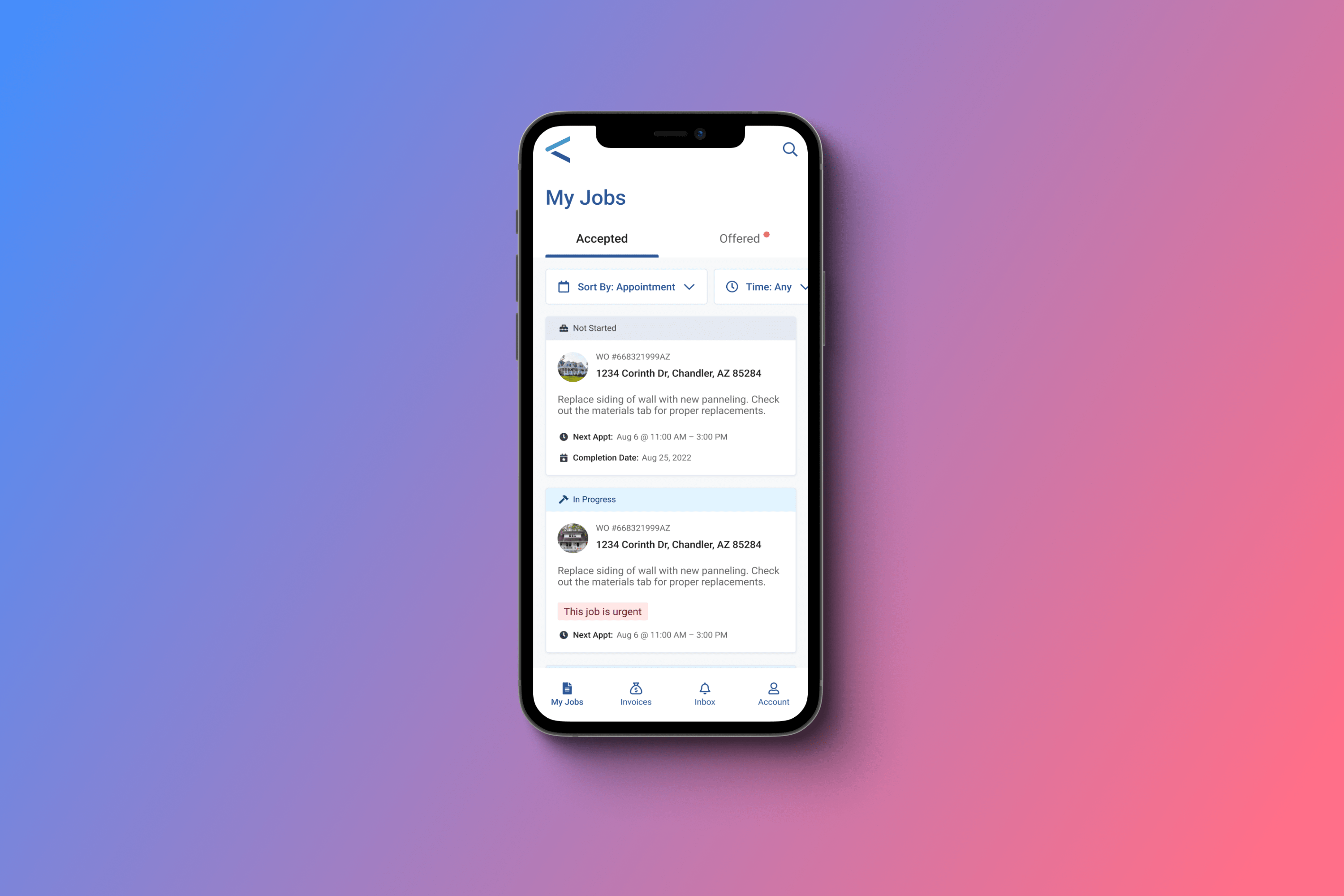
Lessen started by building a monolithic central "Command Center" that moved project managers out of spreadsheets and into a more approachable UI. Once command center adoption hit key metrics, the next step was getting service professionals and internal technicians off of antiquated, disconnected solutions, and onto something robust, informative, and reliable. That's where Lessen Pro came in.
$2MM a quarter, managed by PDF
If you've ever worked at a startup, you know you wear multiple hats and constantly go to bat for yourself. During this project, I had to be the voice of the user, evangelize design-driven solutions, push back on leadership, and advocate for consistency across our component system.
Lessen had previously been a construction and project management company. Their core business (turns and renovations on large-scale properties) was tracked through emails, texts, PDFs, and pen and paper. That's $2MM per quarter in revenue, all managed through print-outs and email.
Obviously, that's not scalable. Lessen Pro was conceived with three core goals:
- Create a platform for service professionals to view, accept, complete, and get paid for work done for Lessen and its clients
- Get both sides of the house out of emails, spreadsheets, and PDFs and into a single robust solution
- Build the company's first mobile application through scalable, reusable components
Cross-functional, collaborative
This project succeeded thanks to an exceptional cross-functional team: 2 Designers, 1 Product Manager, and 7 Software Engineers. Using agile methodologies and constant collaborative touchpoints, we accurately groomed and planned work throughout the entire product development lifecycle.
How we got there
We started by defining business requirements through user interviews, SME knowledge sessions, and user journey mapping, all vetted with stakeholders before a single wireframe was drawn.
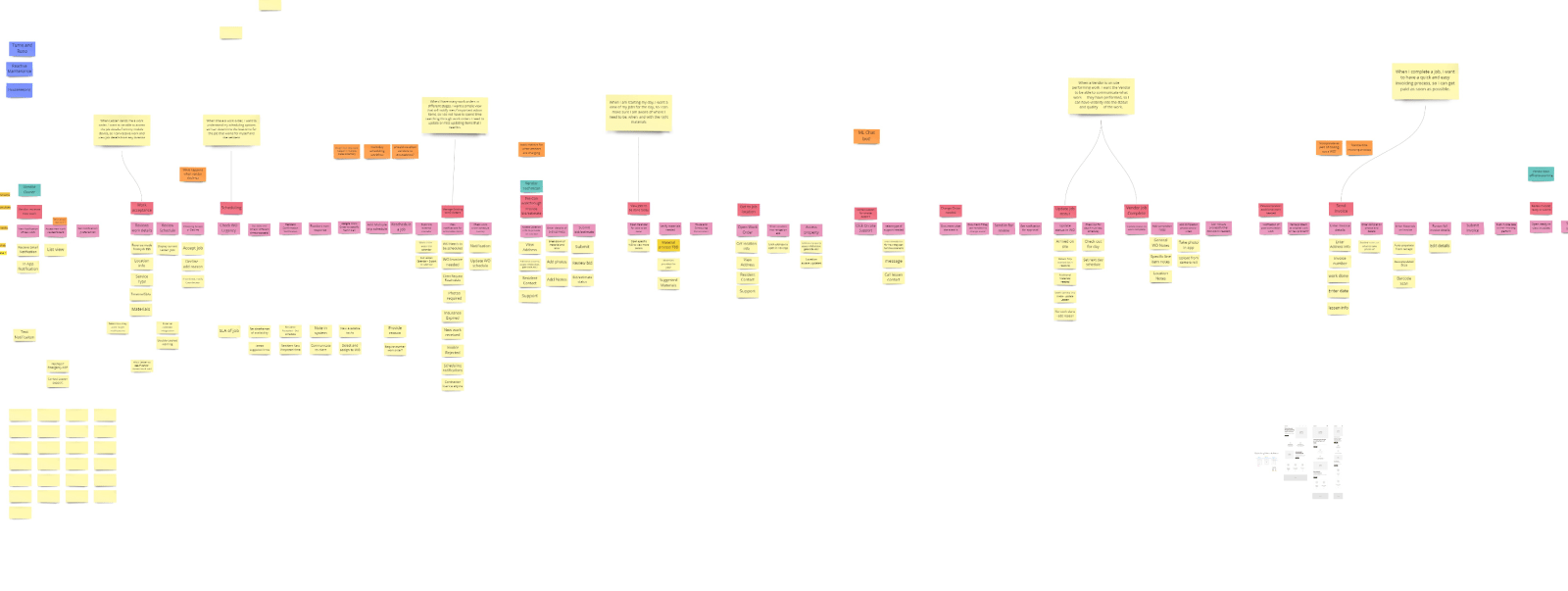
Alongside user interviews, our team shadowed 6 different vendor owner/operators to observe how they handled their day-to-day work and interactions with Lessen. These sessions directly informed our Service Pro personas.
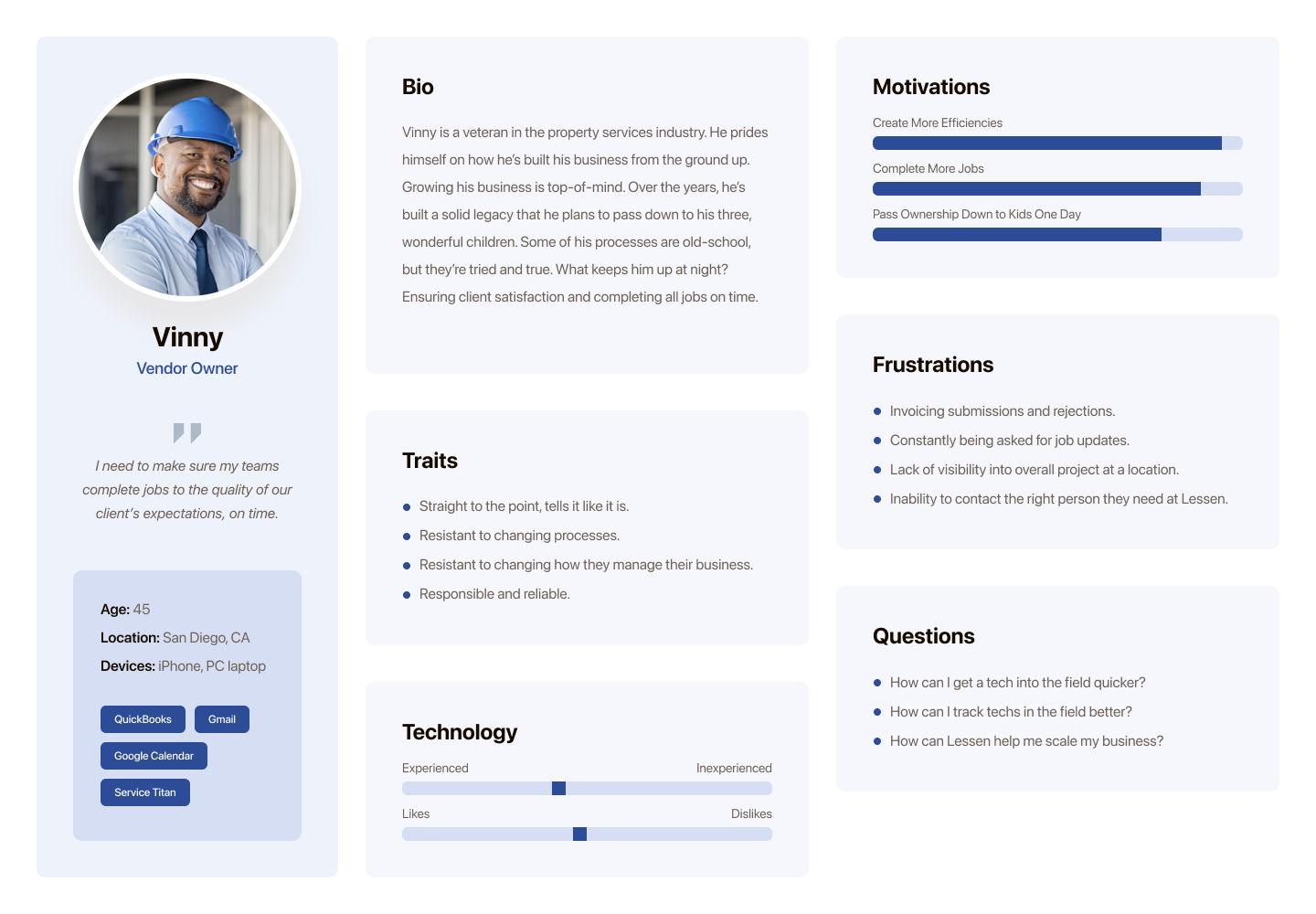
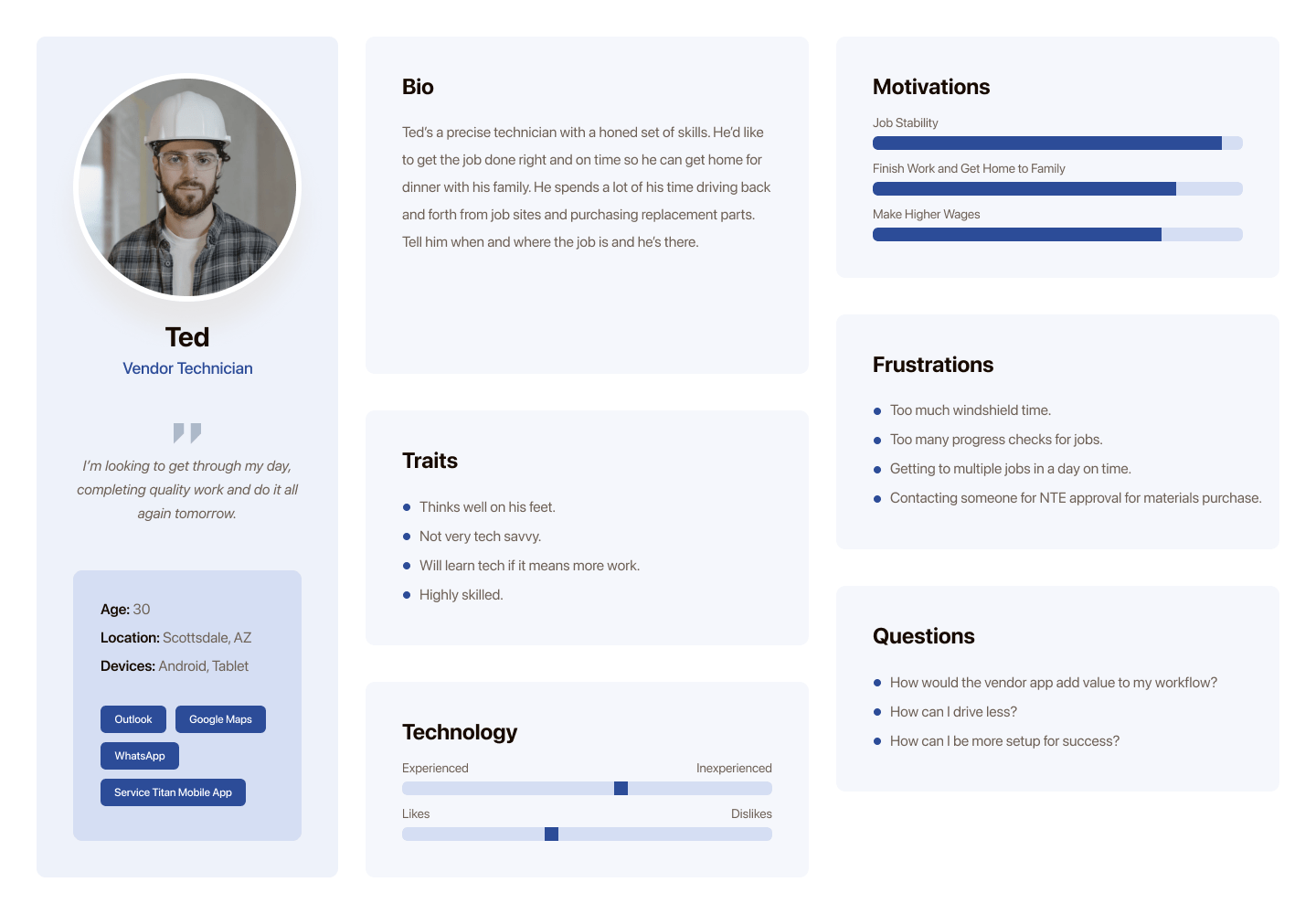
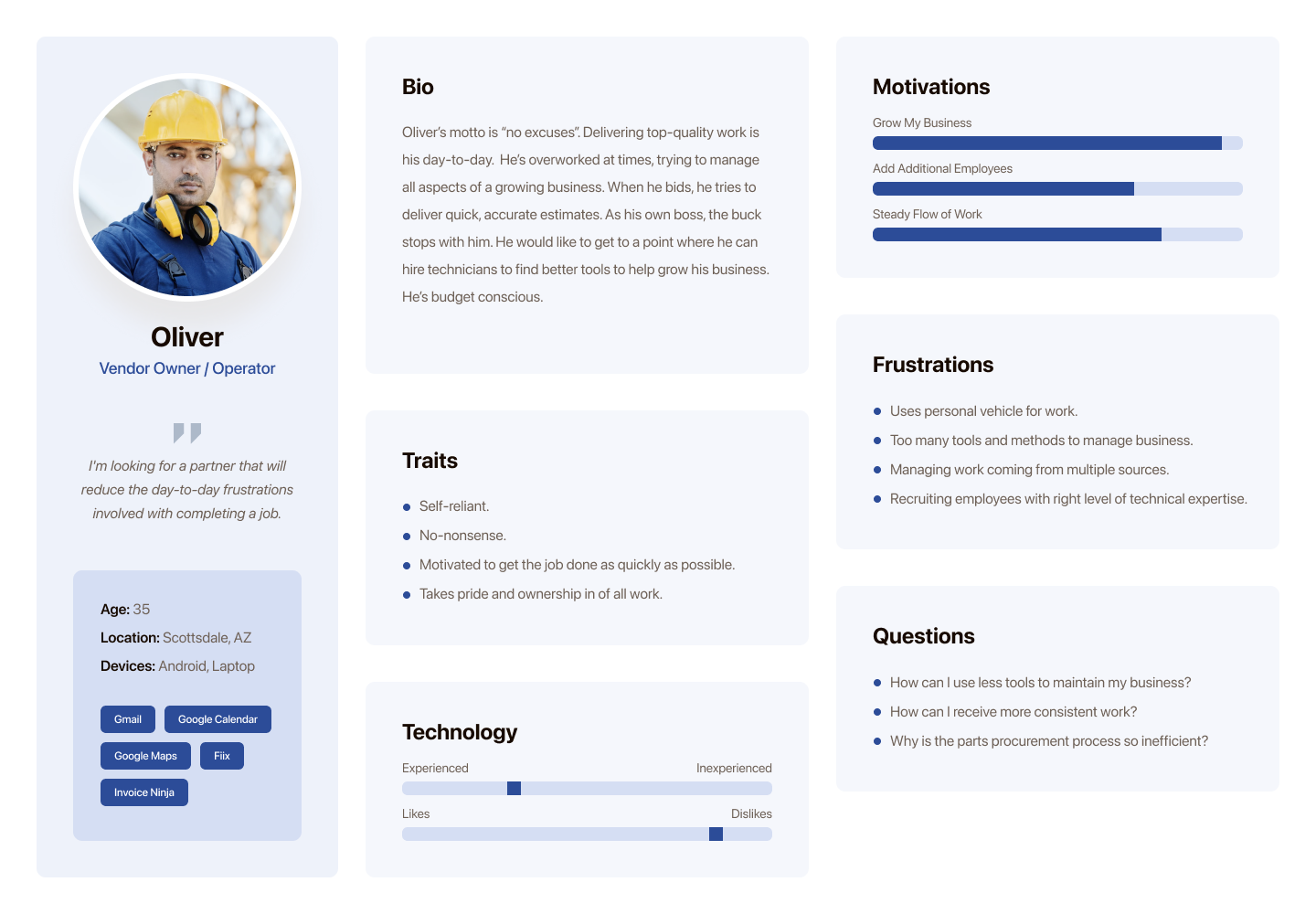
Once personas and requirements were established, we moved quickly to wireframes. Getting early feedback from stakeholders, peers, and users is always the priority; the earlier the better.
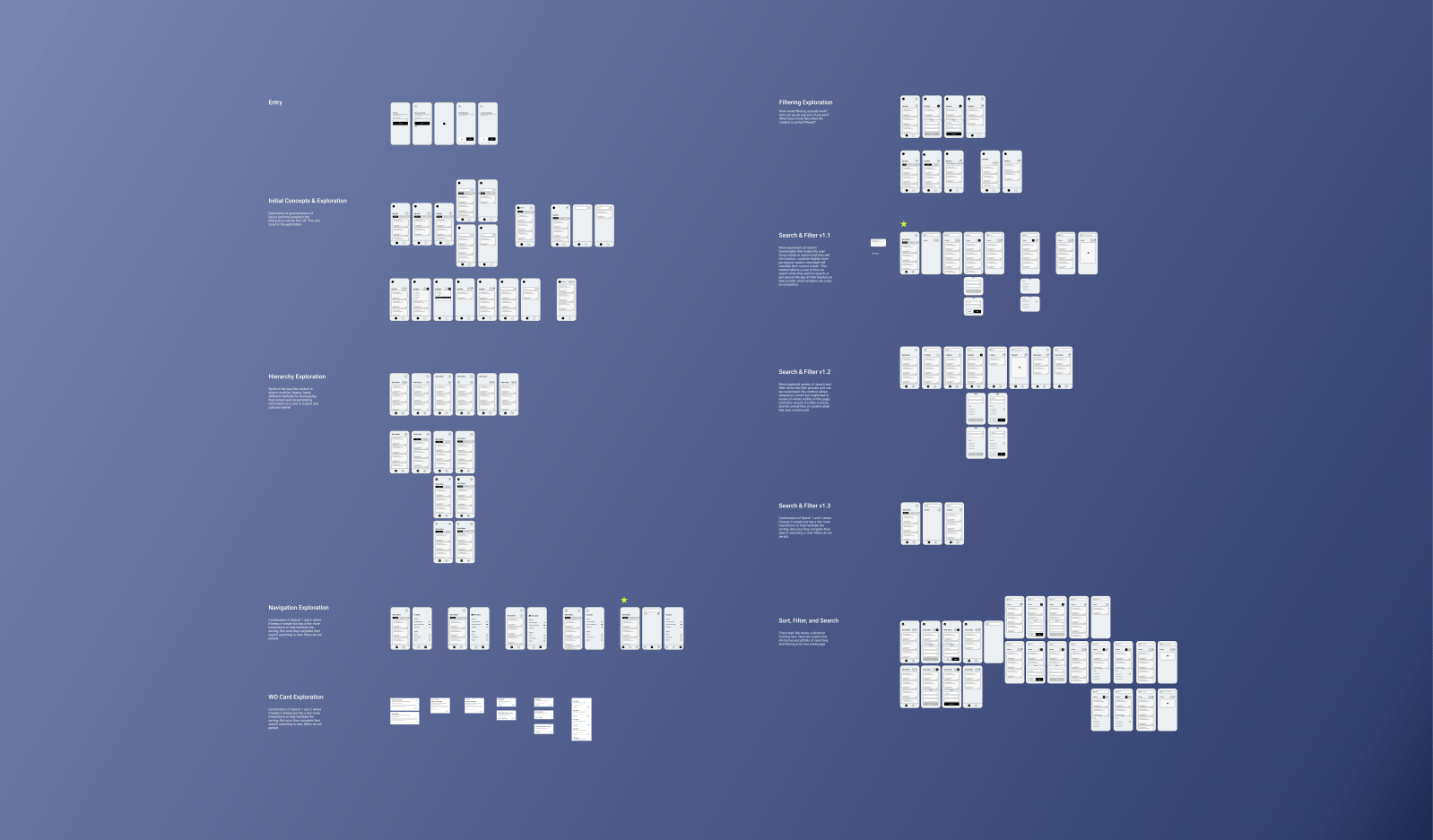
There's an important balance to strike when working under a deadline. My motto: "Don't let perfect be the enemy of good." There's no perfect solution, only better ones, and users tell us how to get there. The quicker we can ship a proof of concept, the sooner we can iterate based on real feedback.
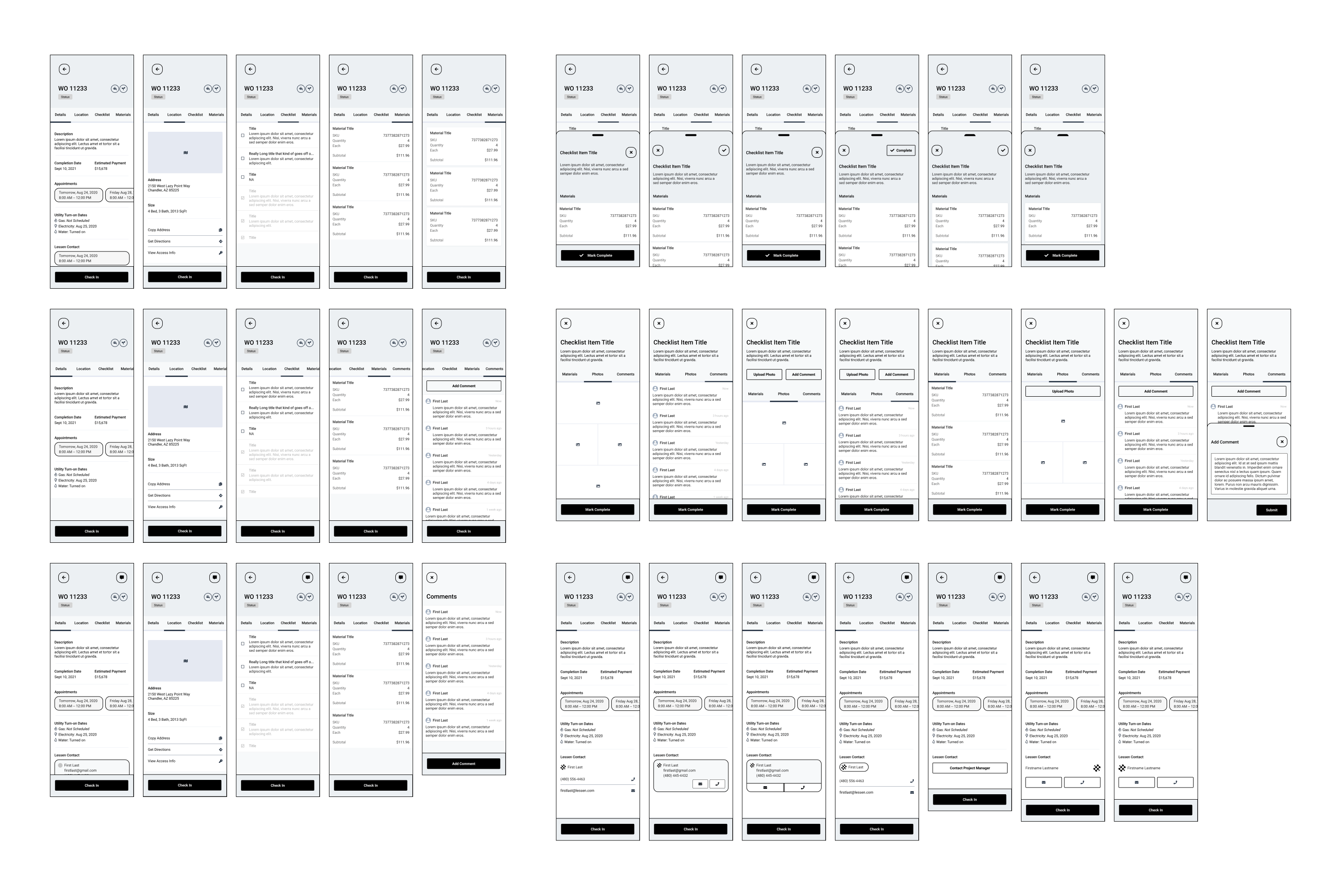
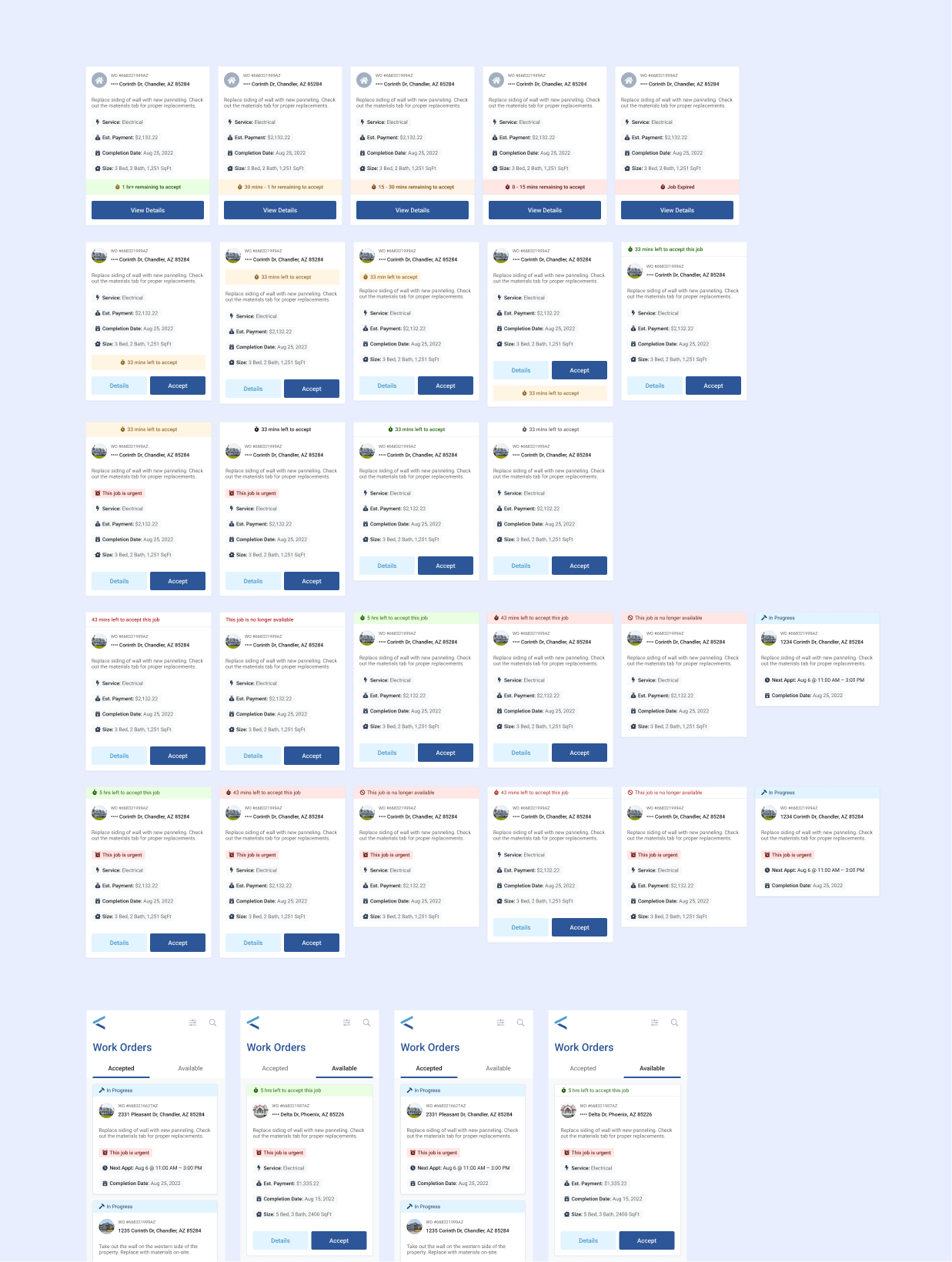
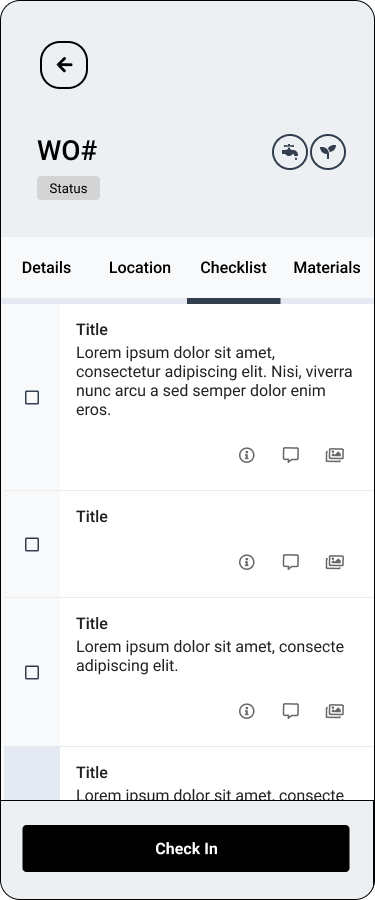
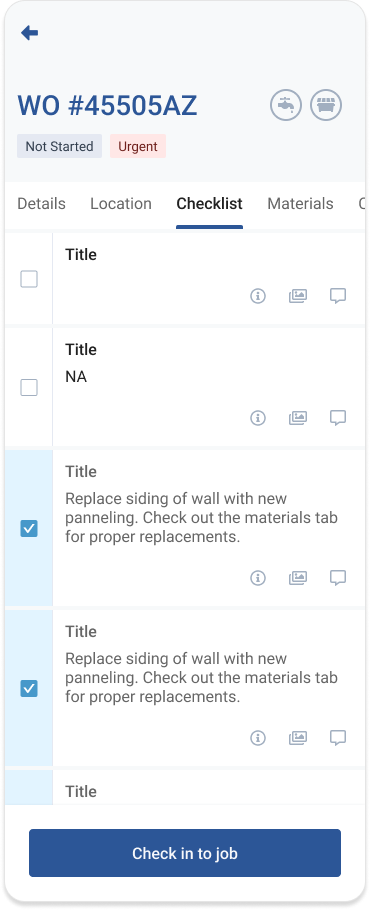
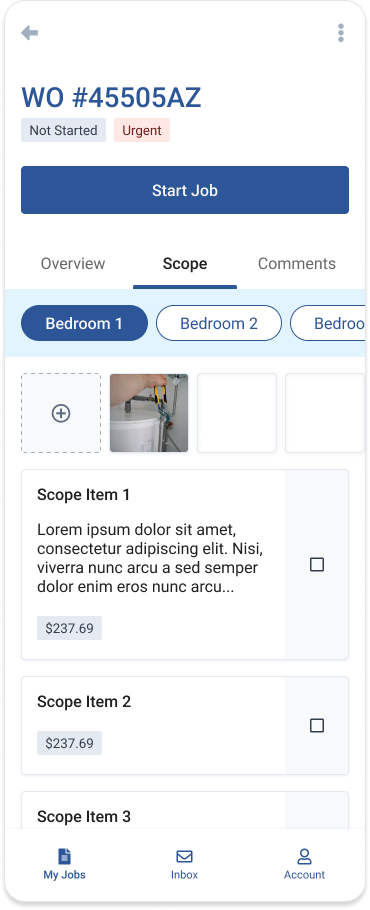
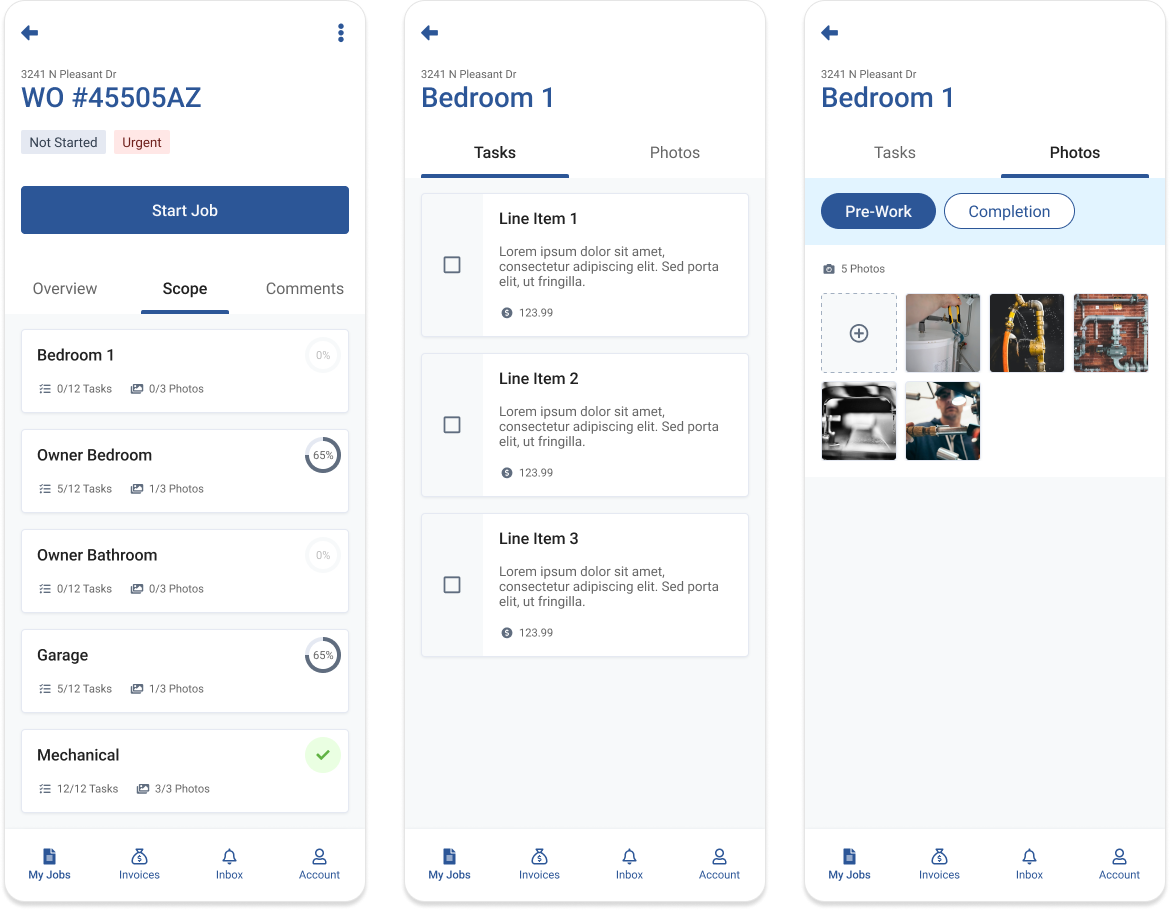
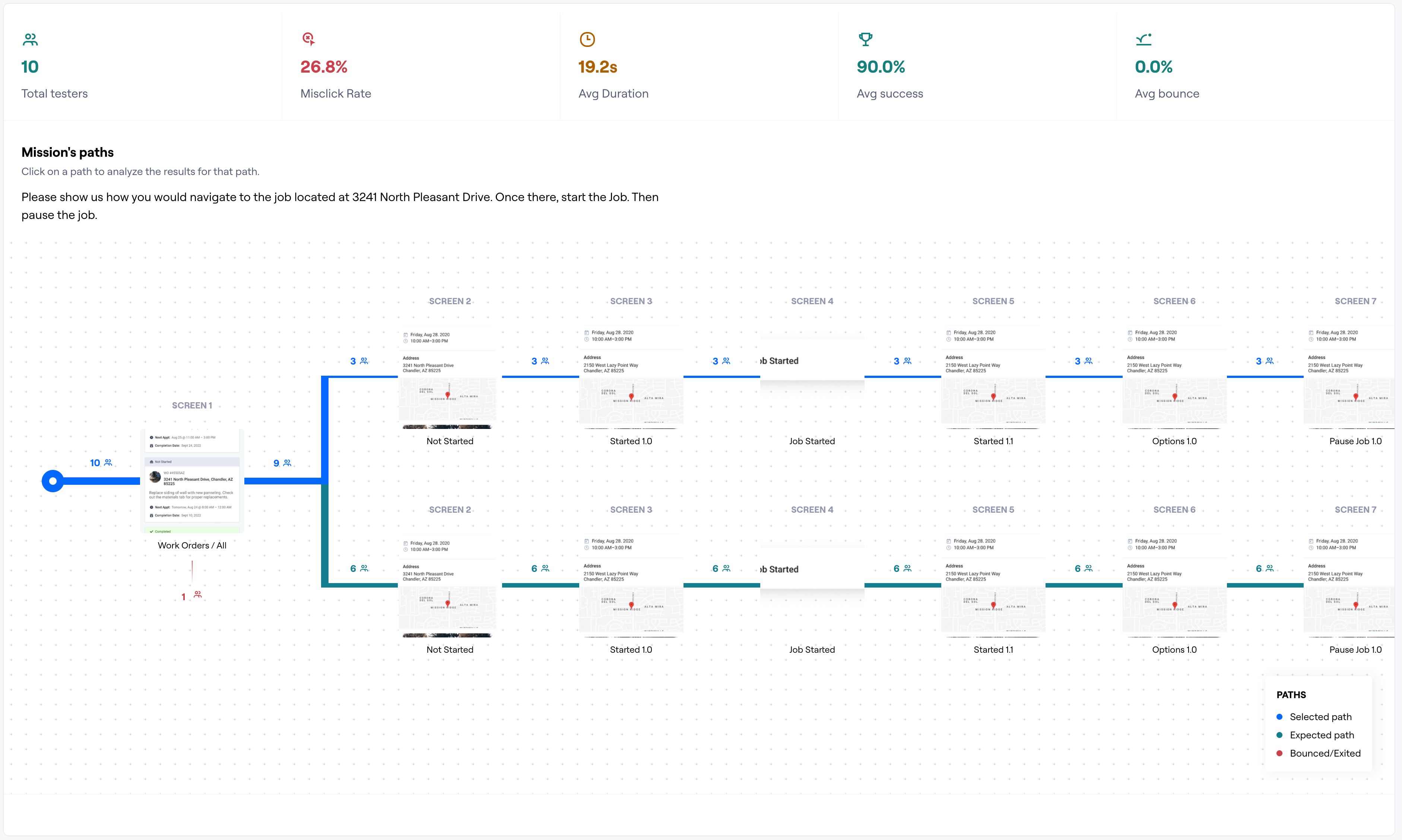
Throughout the product lifecycle, we solicited feedback through multiple channels: impromptu reviews, shadowing sessions, and quick surveys. A key method was unmoderated remote testing via Maze, which integrates directly with Figma. Maze creates shareable reports that are embeddable in Jira and other tools, keeping insights visible across the team.
Weathering the unexpected
Throughout the product development lifecycle there were numerous setbacks, compromises, and amazingly collaborative efforts. Here are a few of the more notable ones:
- C-level execs constantly wanted to sway direction and act as the user, including mandating design changes a week before public release
- Working within a new mobile development framework (React Native) required learning mobile design paradigms quickly
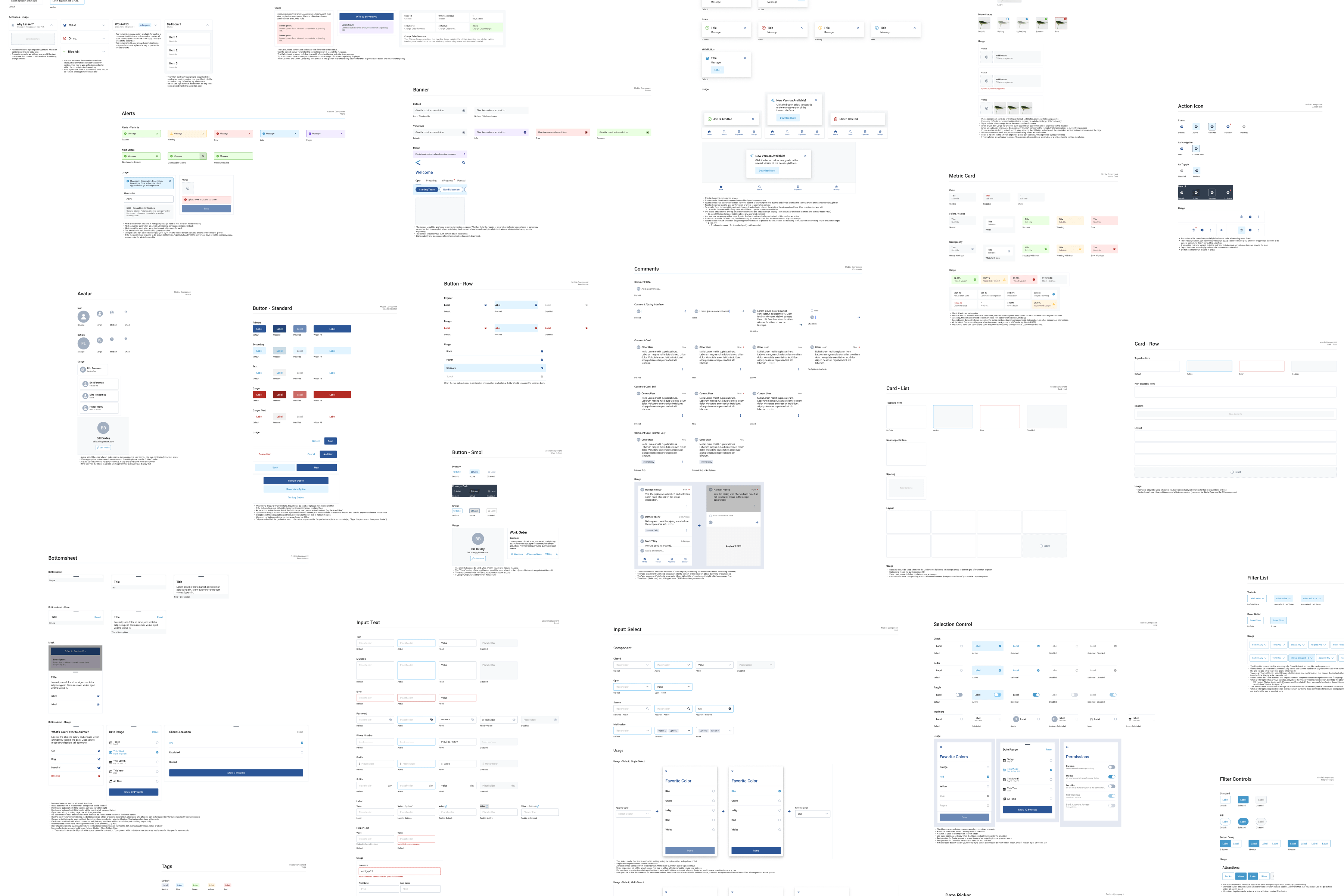
- No existing mobile components meant building everything from scratch, which ultimately led to creating Rivet, our internal design system
- Launching first to internal technicians, then adapting for external partners with compressed timelines
- Our Media Service engineering team was based in Belarus and had to be dropped after the Russian invasion of Ukraine, a setback of several months
Selected screens
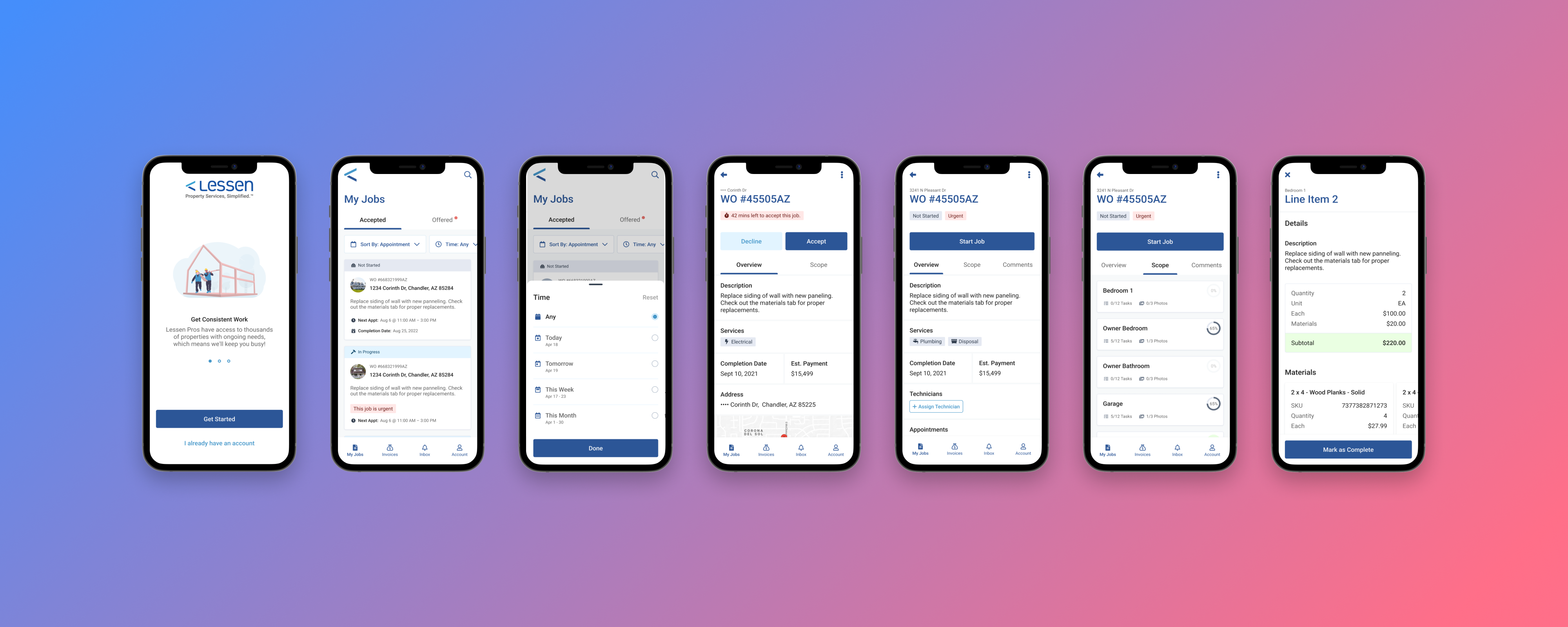
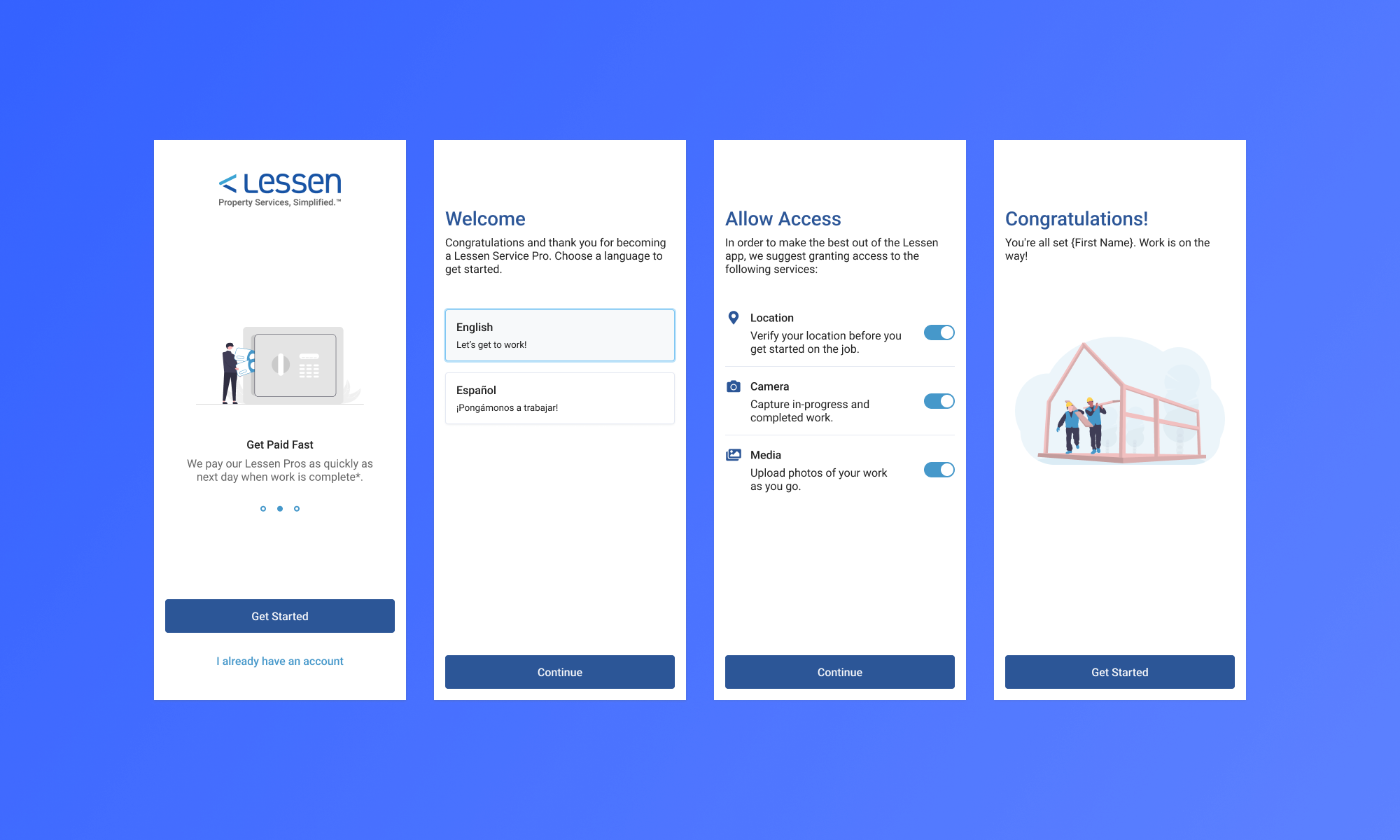
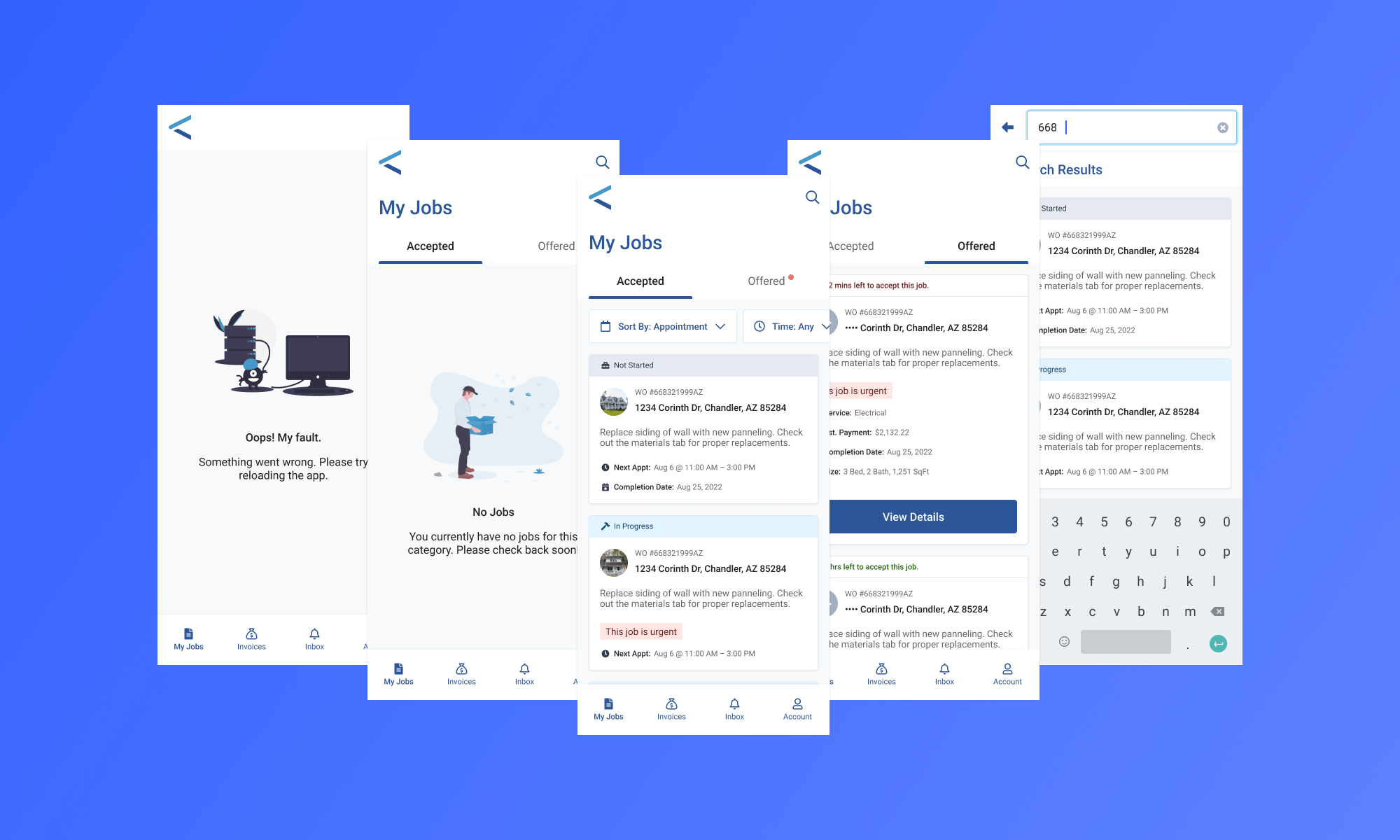
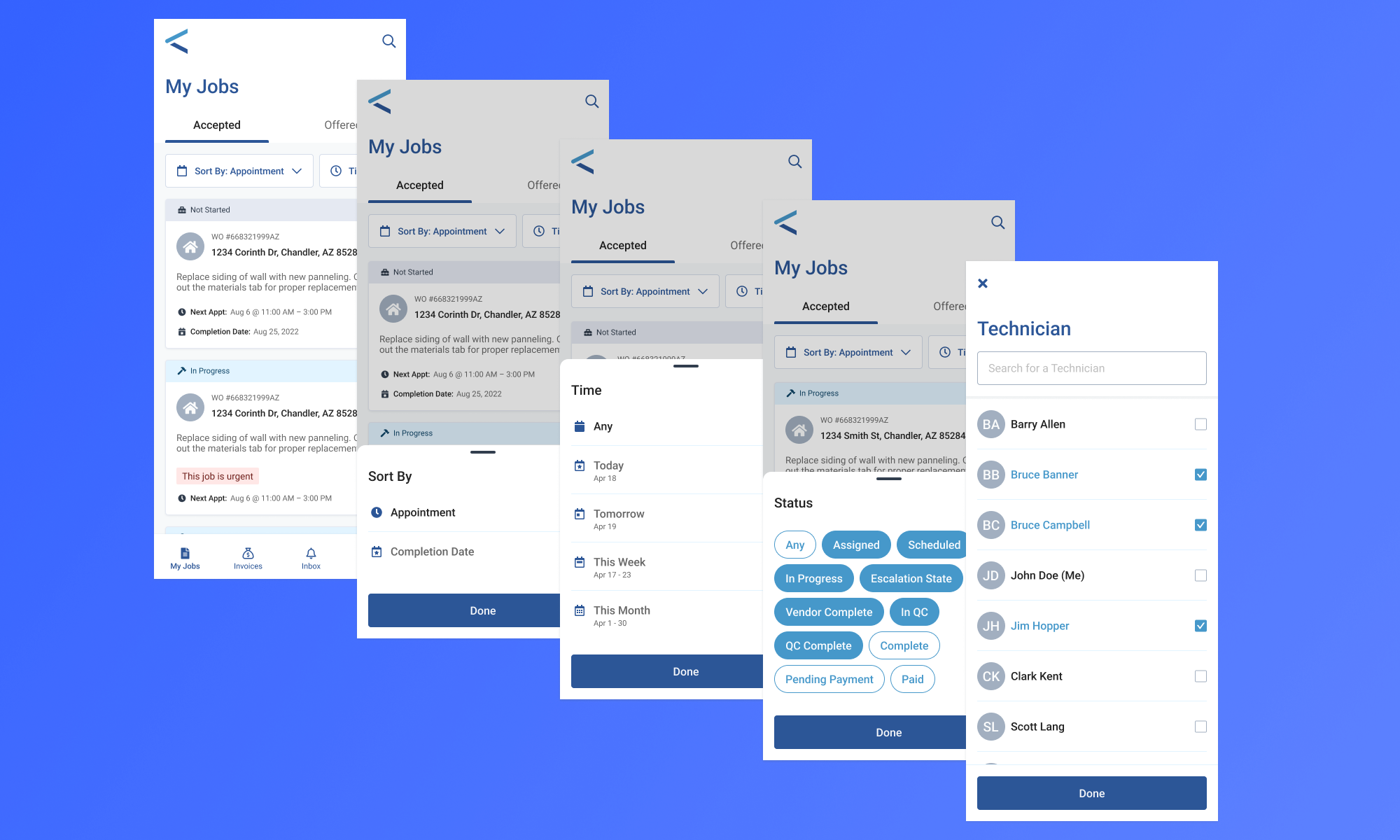
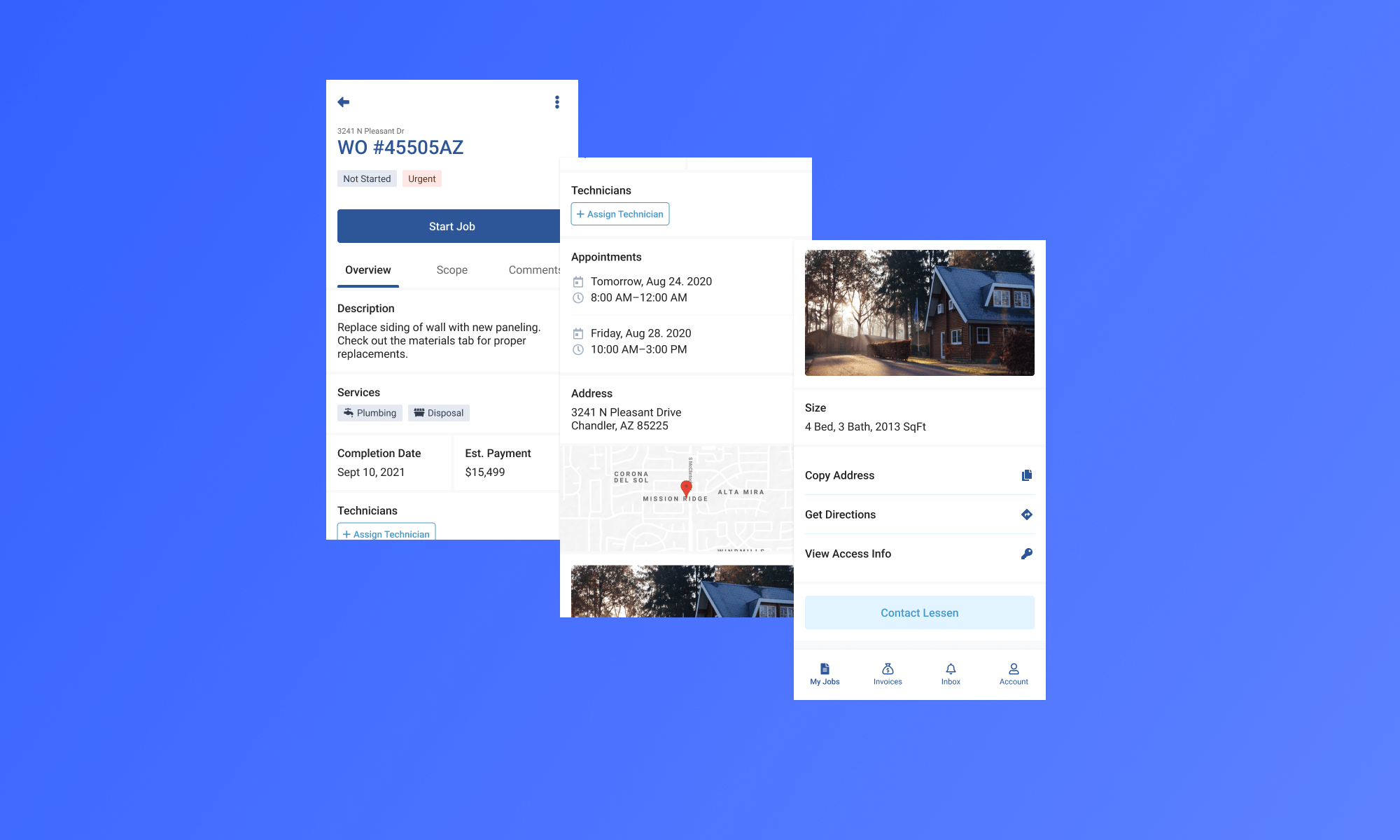
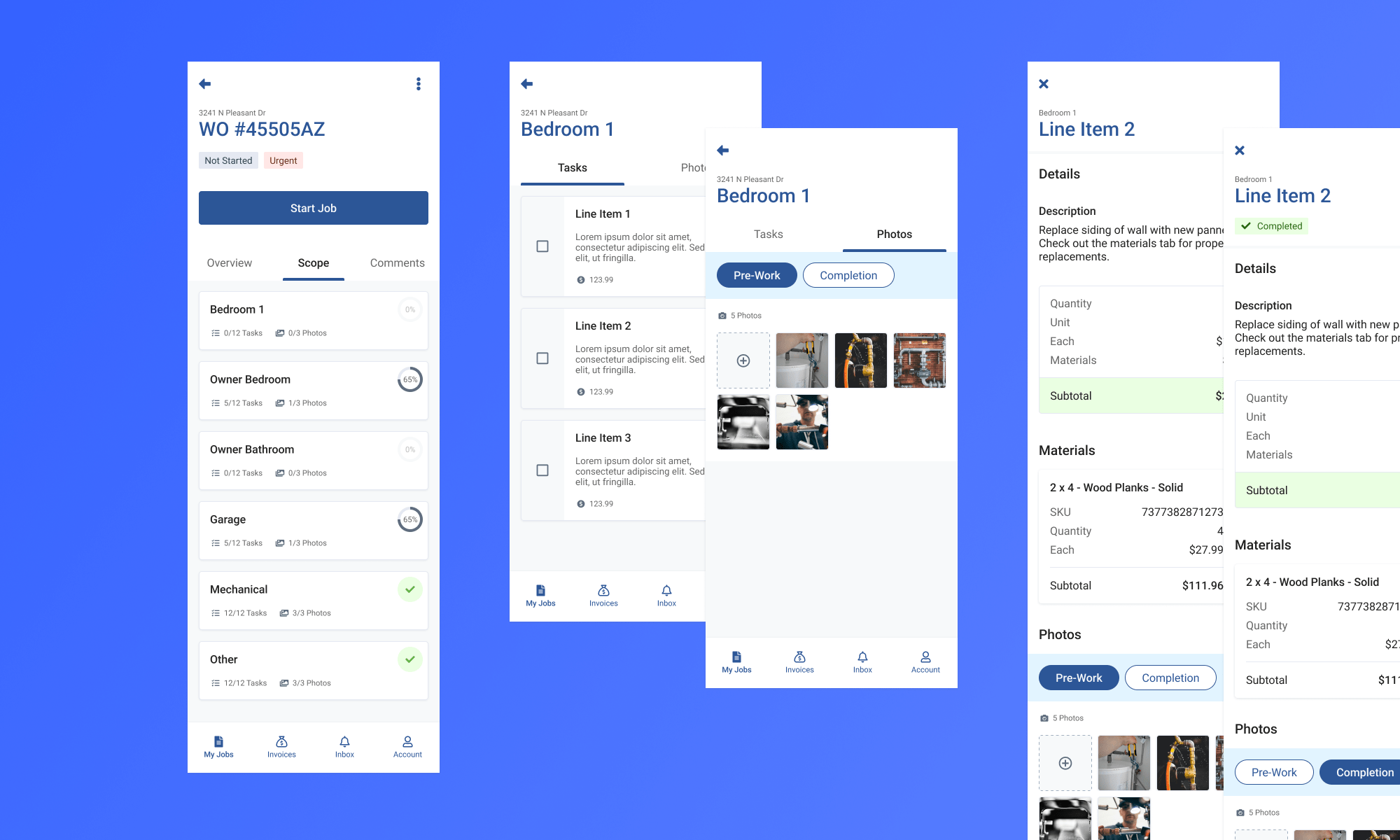
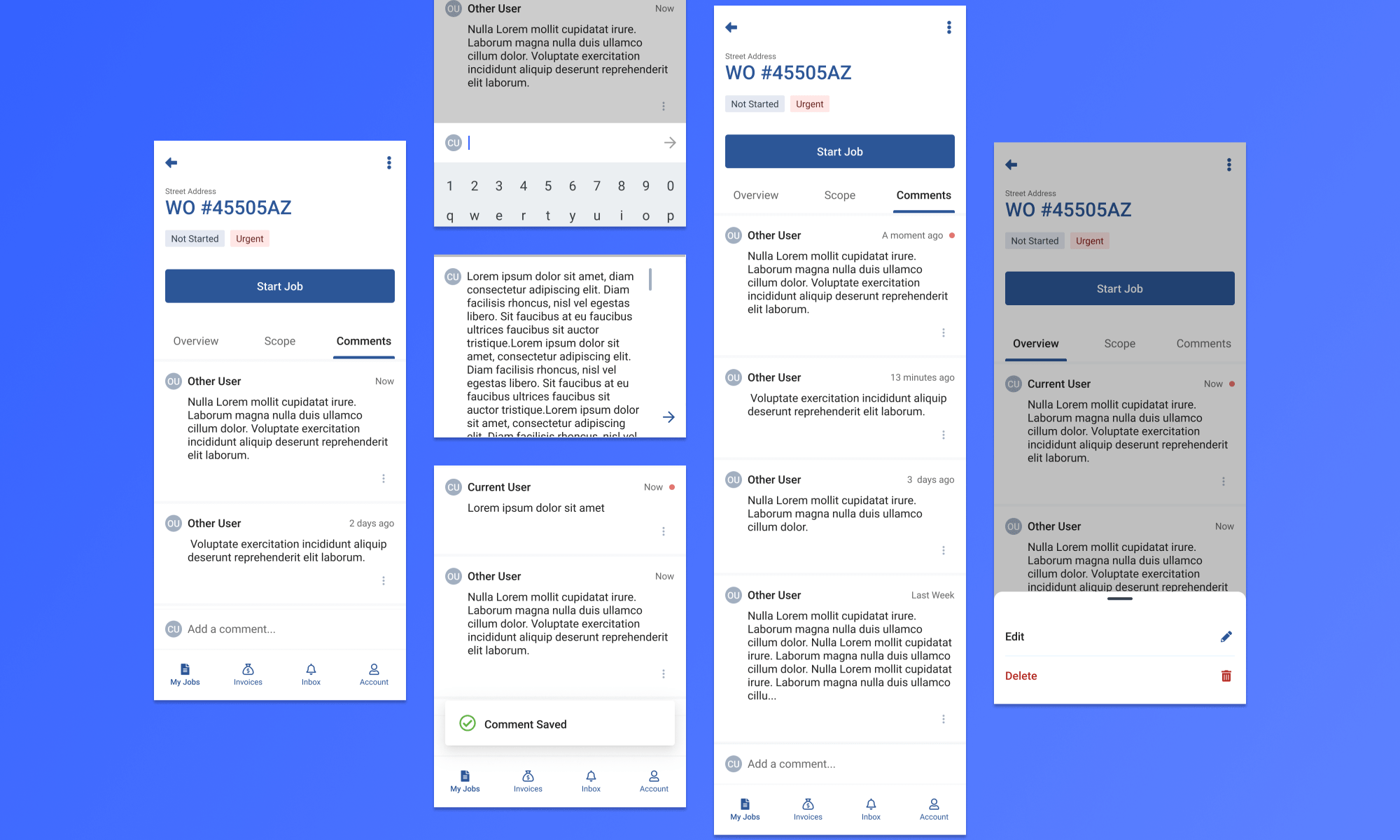
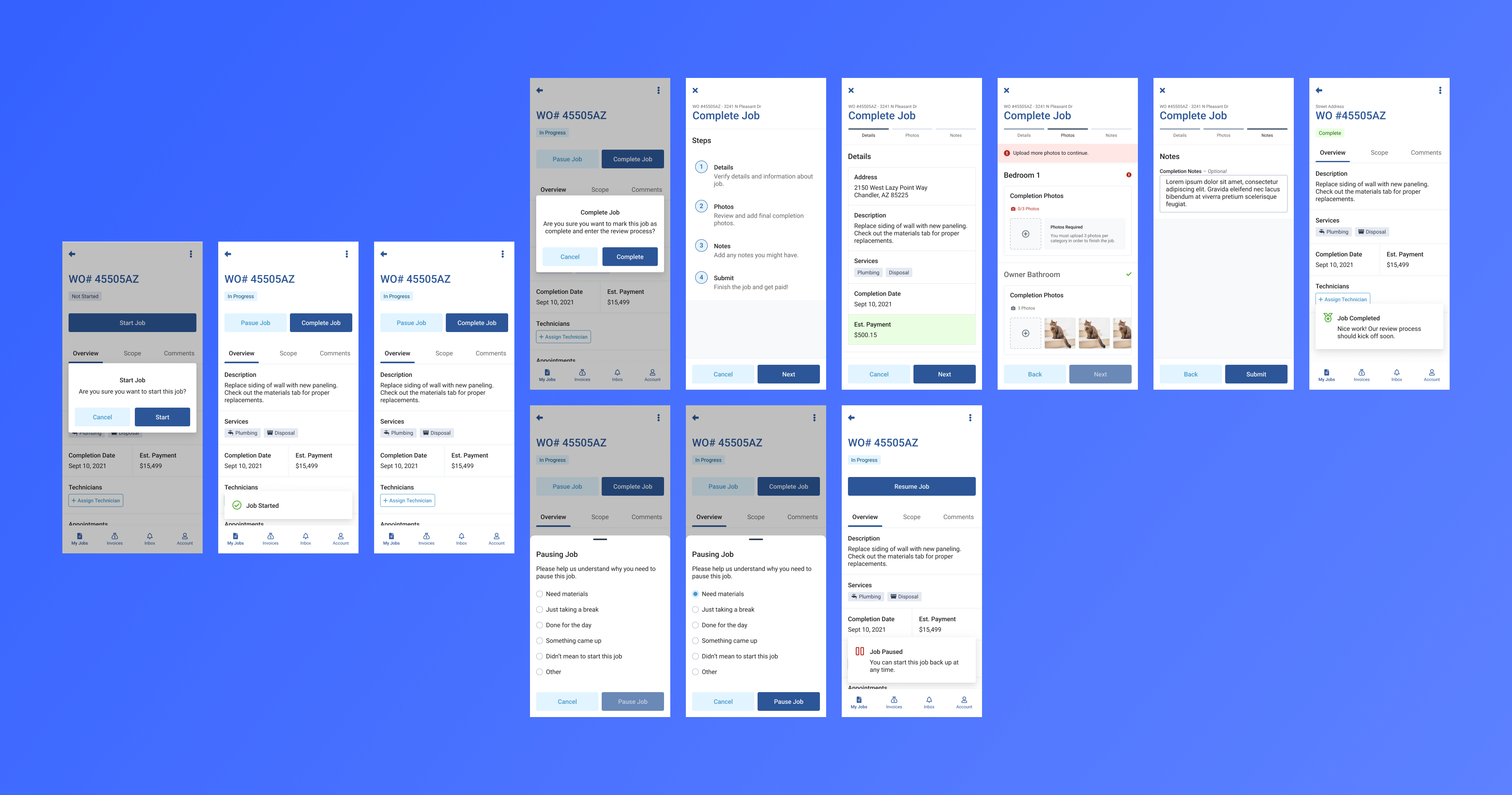
Below are selected screens and flows from the shipped app, a small glimpse into the many features we created for our users.
Shipped and thriving
We successfully launched Lessen Pro on both the Apple App Store and Google Play in early May 2022. The app gives Lessen real-time visibility into every work order as Pros make updates in the field. Communications are streamlined with accept/decline functionality, status updates, and surfacing the right contact info, and most importantly, it helps Pros get paid faster.
- Accept or decline work orders through a streamlined accept/decline flow
- Check in and out of work orders from the field
- Upload before/after photos of completed tasks
- Invoice Lessen directly for completed work orders
- View and leave comments on assigned work orders
- Contact Lessen support within the app
What I took away
- 1Starting conversations early and having them often with engineering leads is integral to a solid and expected release.
- 2Your Product Manager is your best friend; align early, align often.
- 3A solid product strategy goes a long way to help set direction and shared vision across teams.
- 4Quick, informal feedback is better than no feedback. Don't wait for a perfect prototype.
- 5Setting consistent rules and guidelines around patterns helps guardrail your designs, from yourself and from others.
 Trainual
 Lessen
 Veho
Veho