
Summary
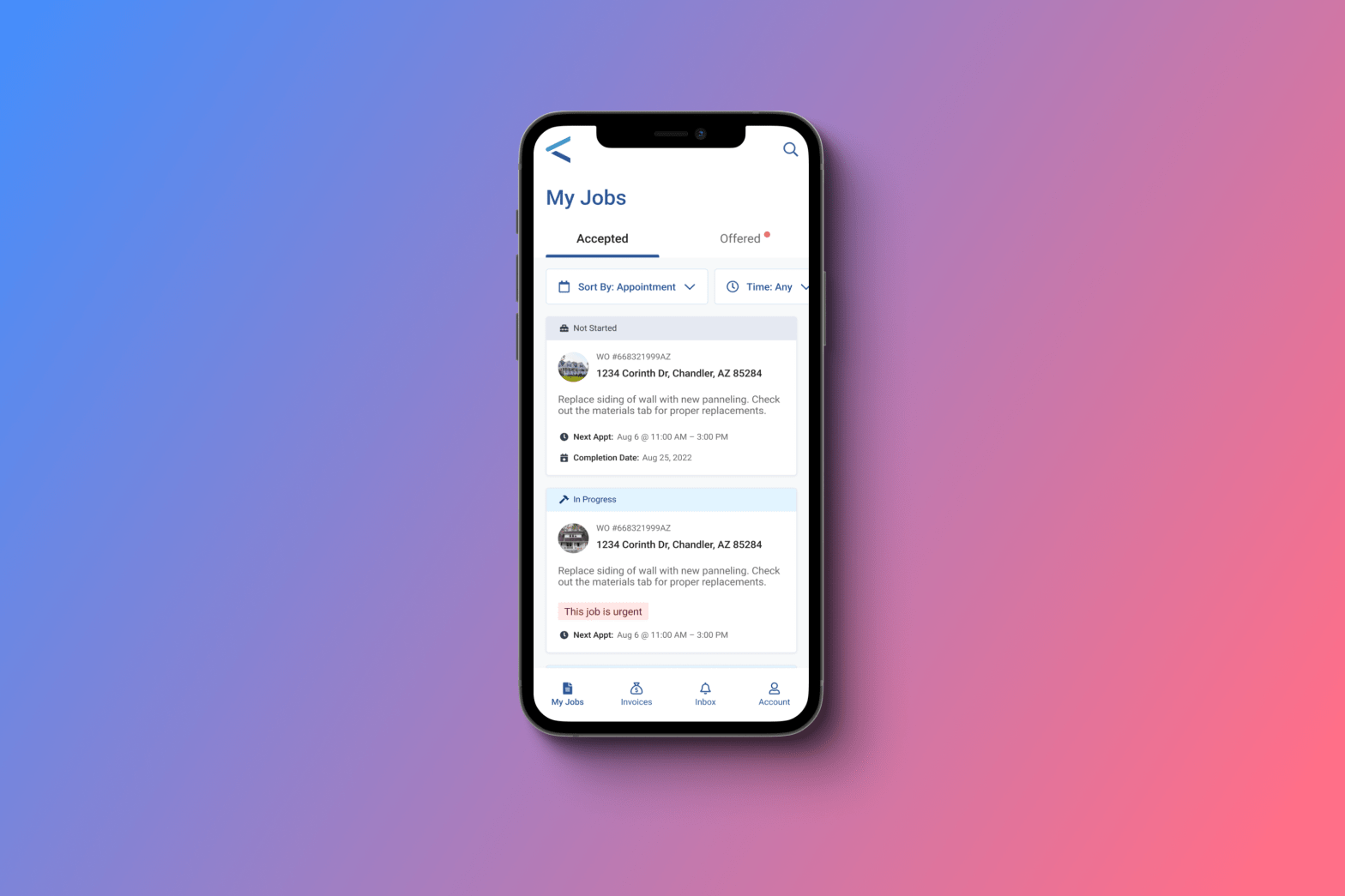
Lessen Pro is an Android and iOS application created for Lessen Inc, a property services company that is trying to re-imagine how rental properties are serviced at scale. The application not only allows service professionals to accept, report on, and ultimately complete work, they also get paid quickly utilizing an in-app invoicing system. The application uses React Native as its development framework for good scalability and OS based functions, and was designed for both phone & tablet experiences.

Lessen Pro
Getting work done quickly, efficiently, and reliably.
Role
Product Designer
Discovery, UX, Prototyping, UI, QA
Project Duration
8 Months
September 2021 – May 2022
Company
Lessen Inc.
In-house
About the Project
At the time of this project conception, Lessen was a budding startup with fewer than 30 employees on the product and engineering side. Our Operations side of the house however, was rather large and is where the meat of our revenue came from. Lessen started out their endeavors by building a monolithic central “Command Center” that could get project managers out of spreadsheets, and into a more approachable and manageable UI.
Once we successfully achieved the key metrics around command center adoption, the next step was getting our service professionals and internal technicians off of antiquated solutions and onto more robust, informative, and reliable solutions, one of them being Lessen Pro.
The Problem
If you’ve ever worked for a startup before, you know that you truly do have to wear multiple hats and constantly go to bat for yourself. During this project, I had to constantly be the voice of the user, evangelize design-driven solutions, push back against various levels of leadership, and advocate for consistency between our system of components and patterns.
To add some context; Lessen had previously been mostly a construction / project management company. Their bread & butter is the management and execution of turns & renovations on properties for large-scale clients. But here’s the thing, they’re all being tracked through emails, texts, PDF’s, and pen & paper. That’s $2MM per quarter in revenue, all managed through PDF print-outs and email.
Obviously, that’s not scalable, so that’s where the Lessen Pro app enters the picture. Lessen Pro was started with the following goals in mind:
- Create a platform that allows service professionals (internal & external) to view, accept, complete, and get paid for work done for Lessen and its clients.
- Get both sides of the house out of emails, spreadsheets, and PDFs and into a robust solution that helps to tackle all of those issues.
- Create the first mobile application in the company through scalable and reusable components.
The Solution
Intro
This project was successful thanks to an amazing combined cross-functional team of 2 Designers, 1 Product Manager, and 7 Software Engineers. Utilizing agile methodologies and constant collaborative methods, we were able to accurately and confidently identify, groom, and plan work throughout the product development lifecycle. When delivering and discussing work, we used a pipeline of the following programs.
- AppCenter (via Slack) – QA spot-checks of in-flight builds
- Figma – Design tool & asset library
- Jira – Epics, stories, task tracking, etc
- Miro – Collaborative white-boarding and ideation
- StoryBook – Component, pattern, and style library
- Zeplin – Design specs, StoryBook links, etc
Process
Discovery & Definition
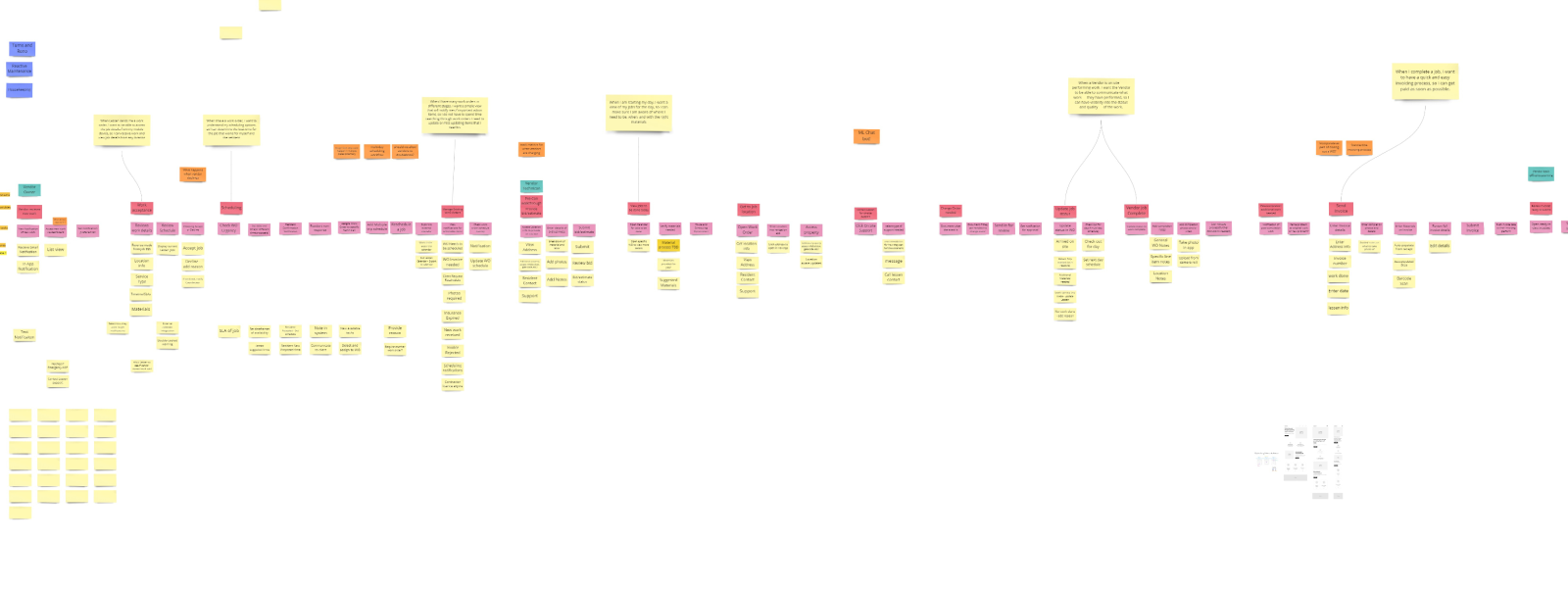
First, we started with defining the requirements from a business perspective on what the application should be able to accomplish. This was done with user interviews, SME knowledge, and user journeys that were vetted with stakeholders.
Personas
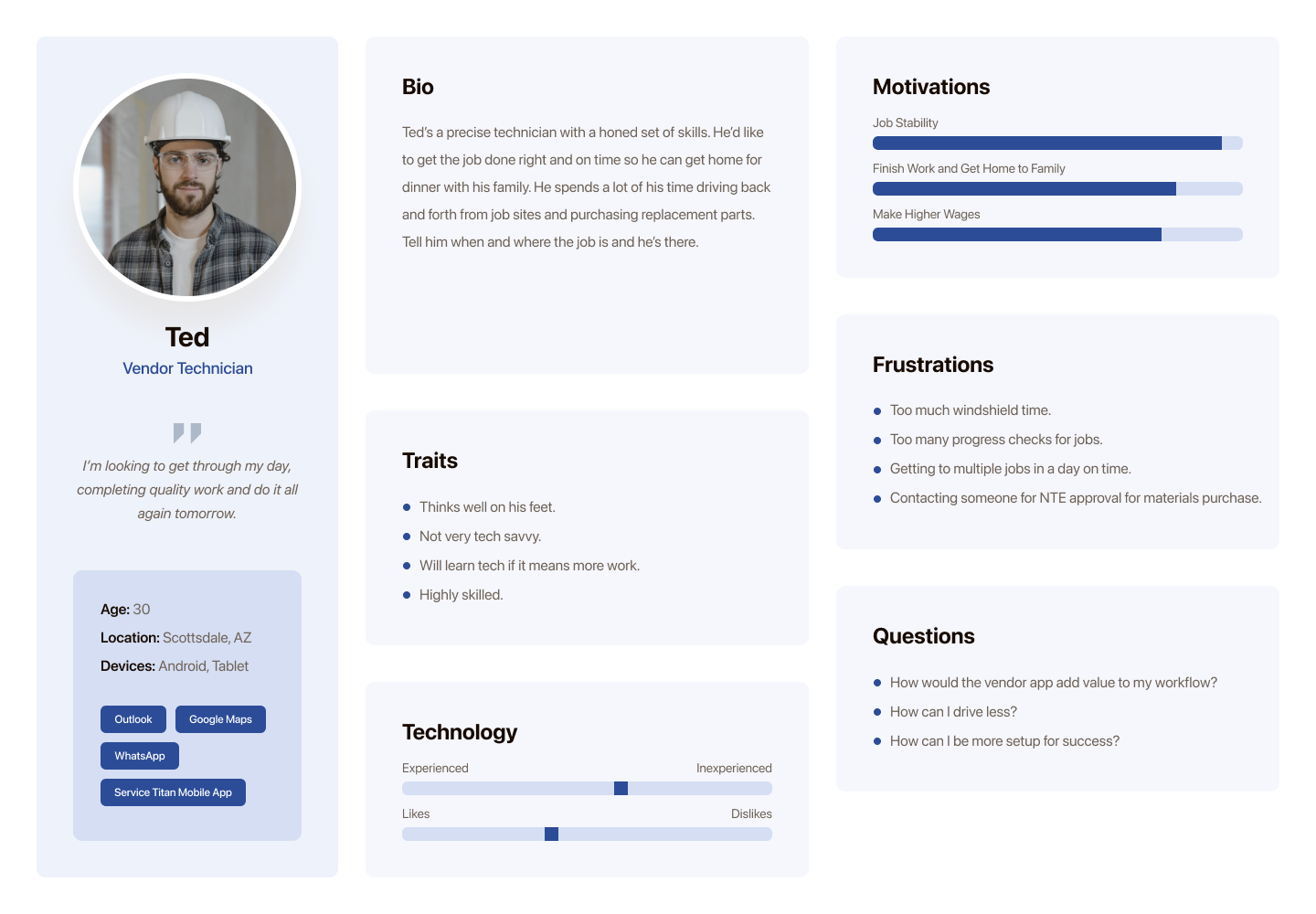
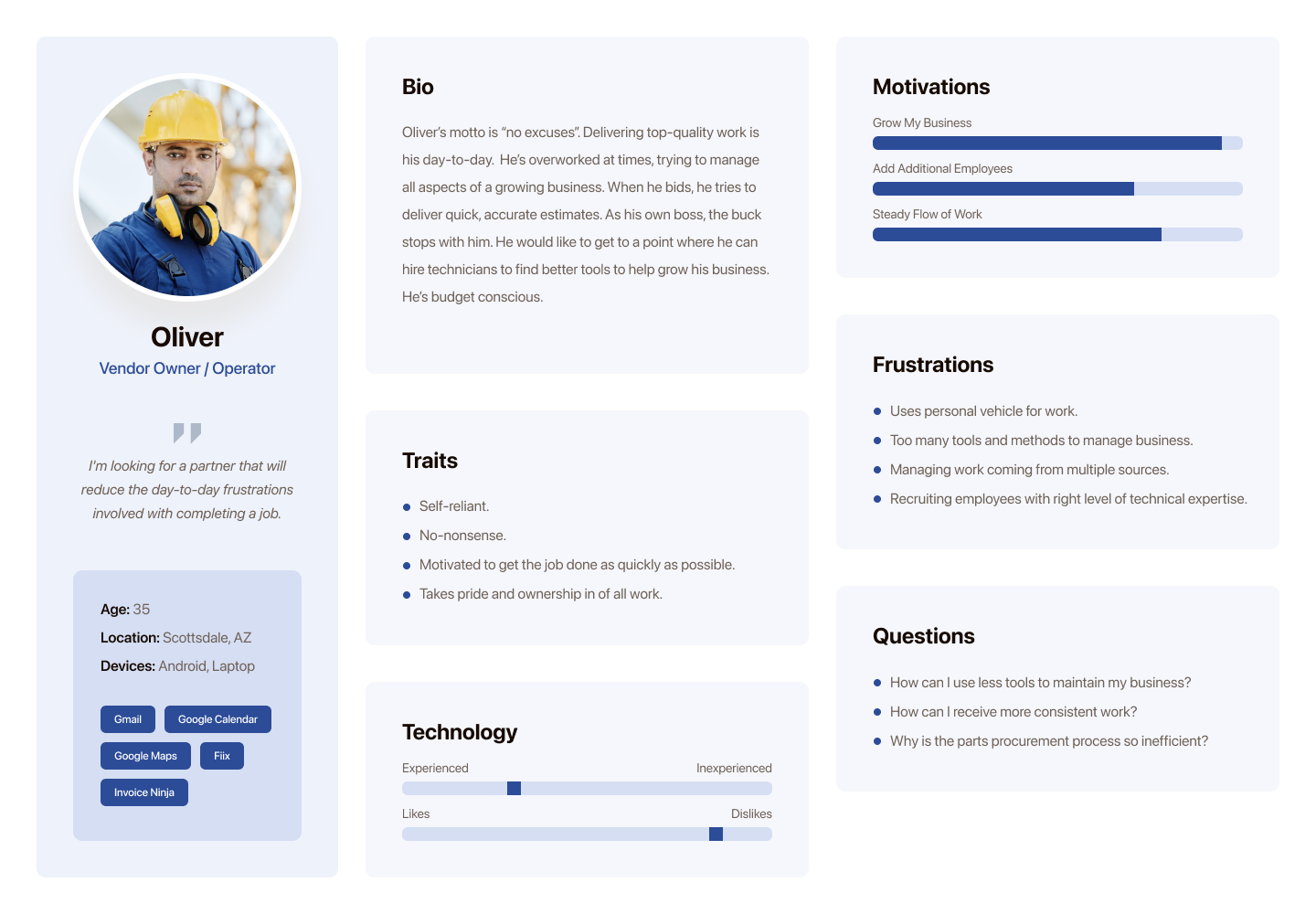
Along with user interviews we also conducted vendor (service pro) shadows to get a better glimpse into their every day. Our team shadowed 6 different vendor owner / operators to examine their day and how they go about dealing with their work and interacting with Lessen. These shadows then helped lead and inform our Service Pro Personas.

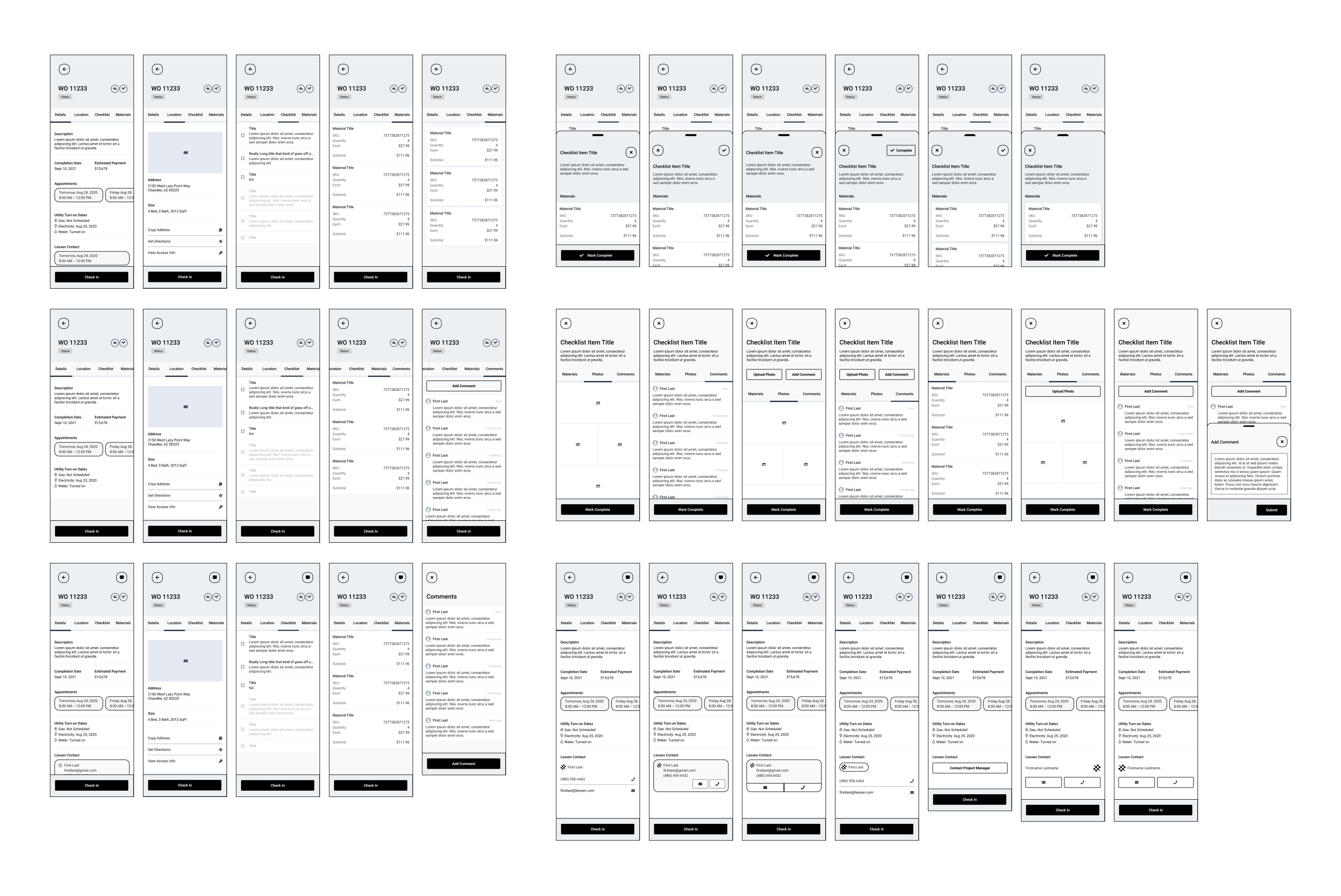
Wireframing & Lo-fidelity
Once personas and requirements were established, we felt good to get started on wireframes and lo-fidelity design. The earlier we can solicit feedback from stakeholders, peers, and users the better.
Iteration
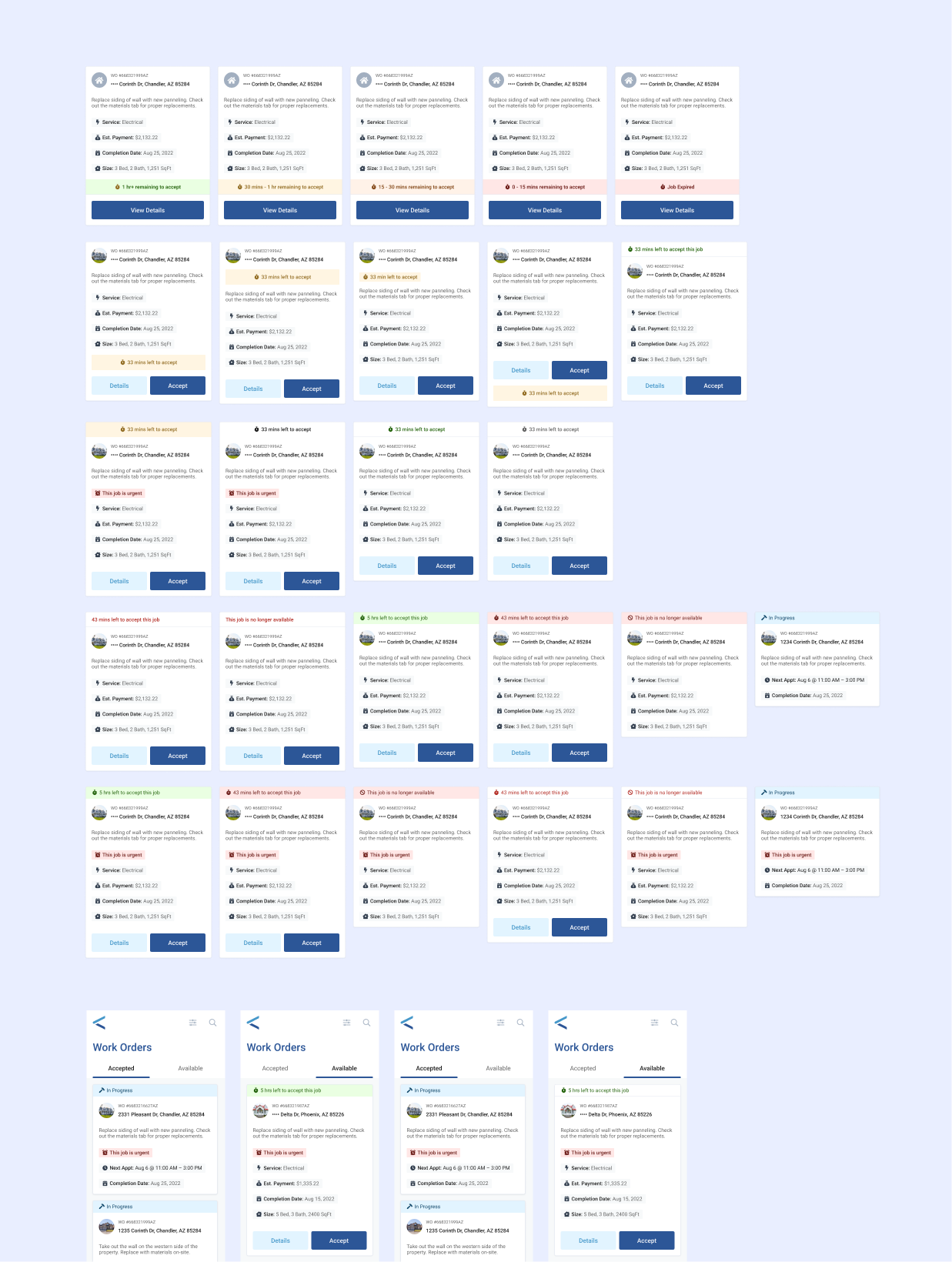
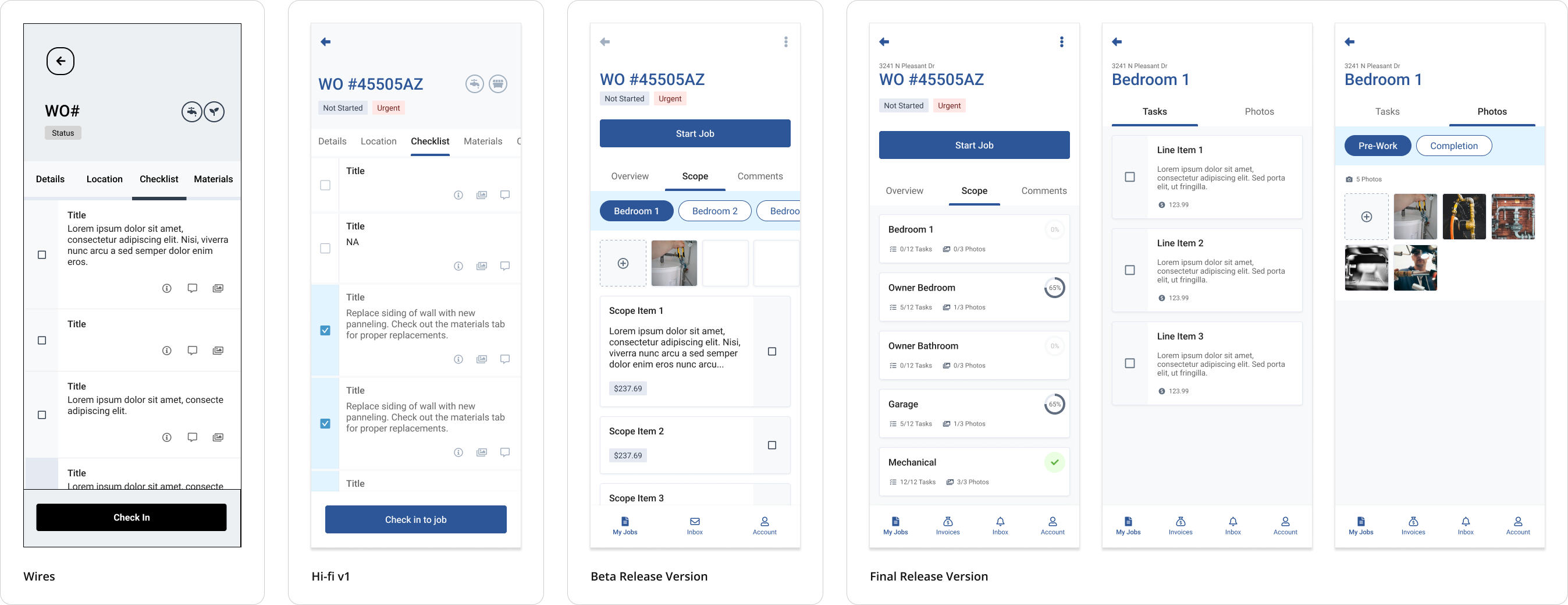
Iterate, iterate, iterate. There’s an important balance that needs to be struck when working on designs within an organization that have a deadline, and my motto is “Don’t let perfect be the enemy of good“. What I mean by that is we shouldn’t always seek perfection, mainly because there is no such thing as a perfect solution. We can always make it better, more clear, more simple, but we need to let our users tell us how to do that, and the quicker you can get a proof of concept out, the sooner you can start to iterate based on feedback.
Prototyping & Data-driven Decisions
Throughout this product lifecycle we solicited feedback through various methods. Whether it was impromptu feedback, shadowing sessions, or just quick surveys, informed decisions are always better than assumptions. One of the feedback methods utilized throughout this product unmoderated remote testing via Maze, which is an amazing testing platform that integrates with Figma very well. Since we create prototypes for almost every single feature using Figma, it was easily chosen as the tool of choice. As a bonus, Maze creates beautiful reports that are sharable amongst your org and embeddable within Jira and other apps.

Challenges
Throughout the product development lifecycle there were numerous setbacks, compromises, and amazingly collaborative efforts. From startup woes, to hot-headed personalities, to tech stacks not supporting solutions, we managed to weather them all and launch Lessen Pro. Here are just a few of the interesting things that came up during our product development process.
- Visibility of the product was high, and as such c-level execs constantly wanted to sway direction and act as the user. Even fielding design changes that were mandated, a week before public release.
- Working within a new development framework and learning some of the paradigms of mobile design much better.
- No components designed or written for mobile, so had to come up with all of that from scratch which led to Rivet, our internal design system.
- Started with our internal Lessen technicians, tested and iterated and then eventually released to external partners, had to adapt some of the design to accommodate for this with reduced timelines.
- Had to drop our Media Service engineering team once the Russian invasion of Ukraine commenced, as they were located in Belarus, a close ally of Russia. This set us back a couple of months with development.
- And much more…
Final Product
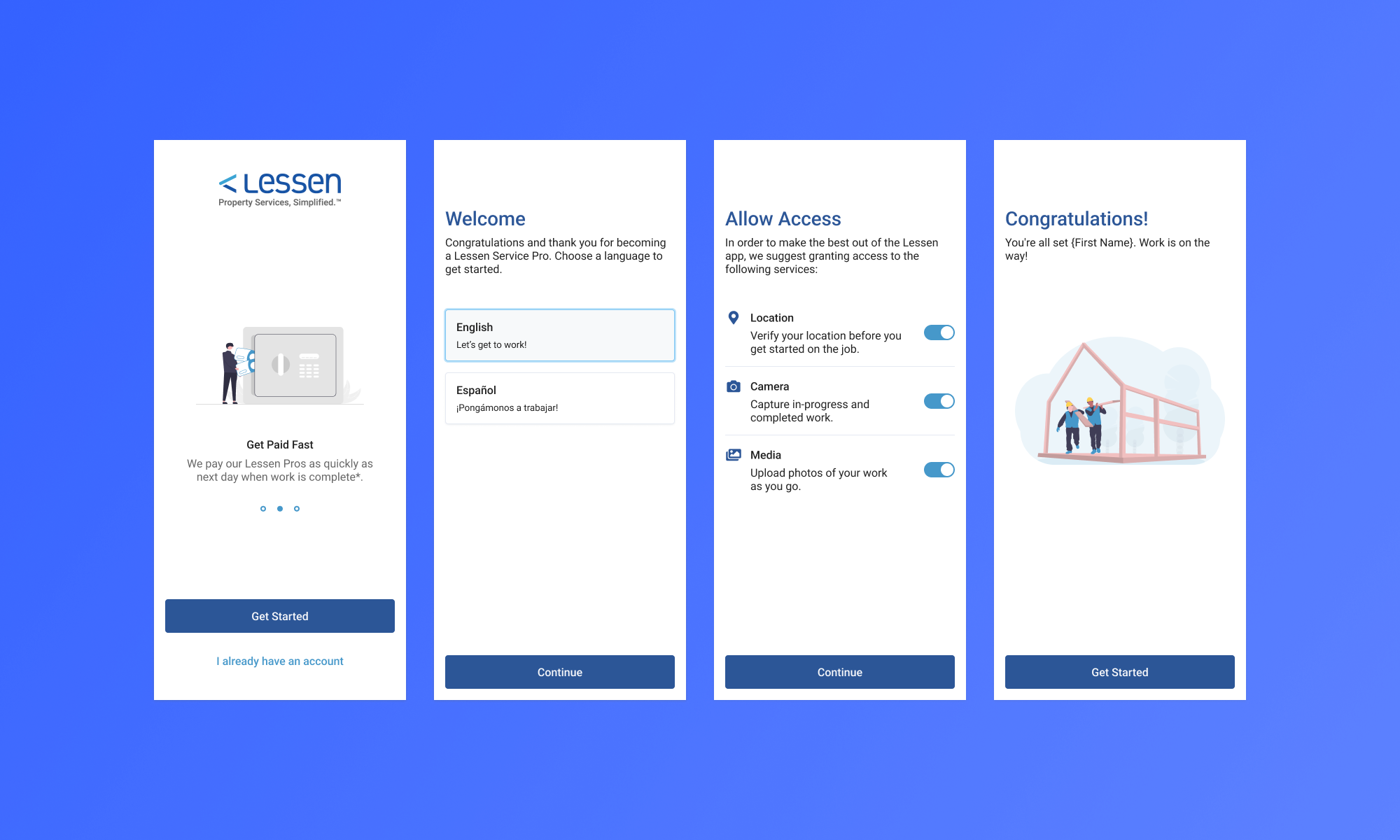
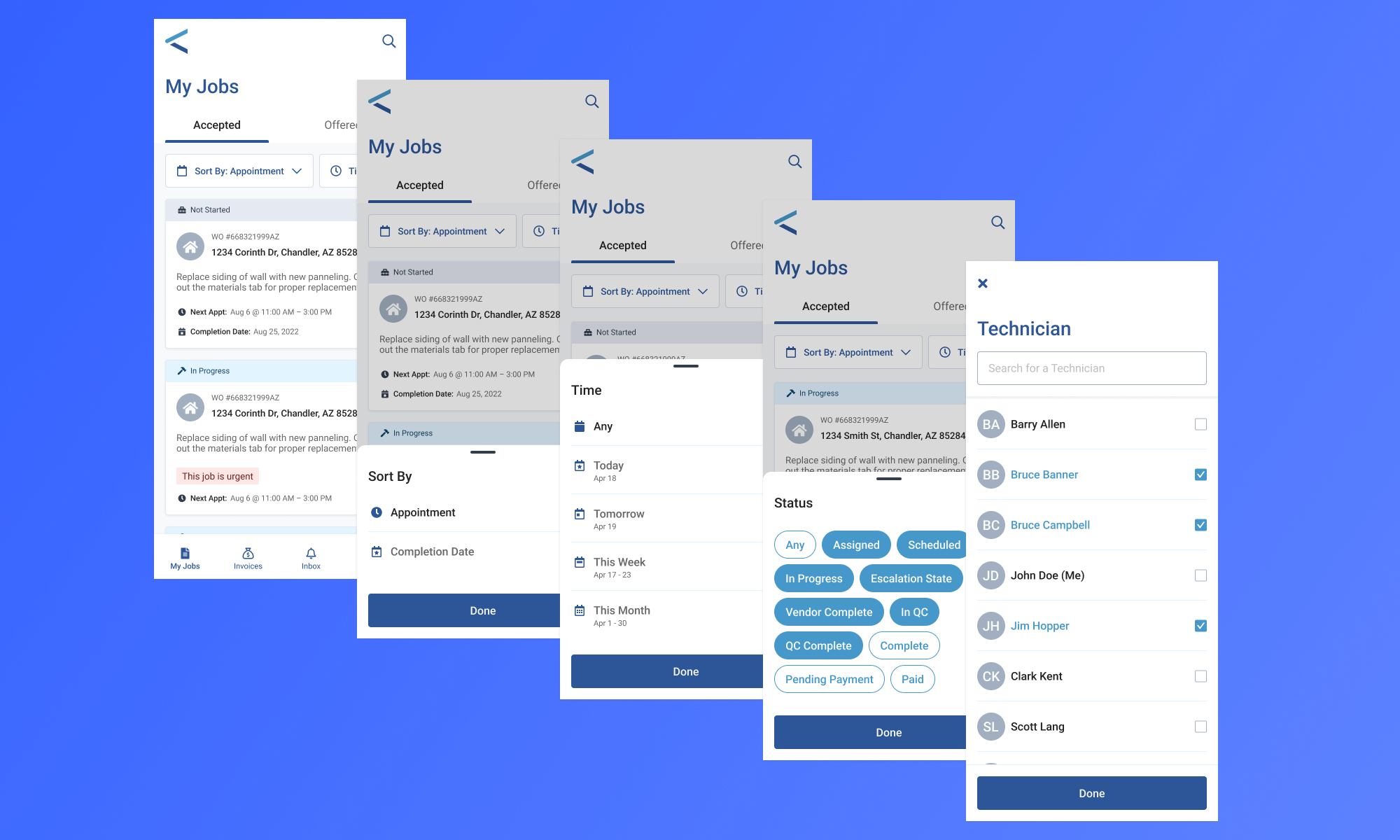
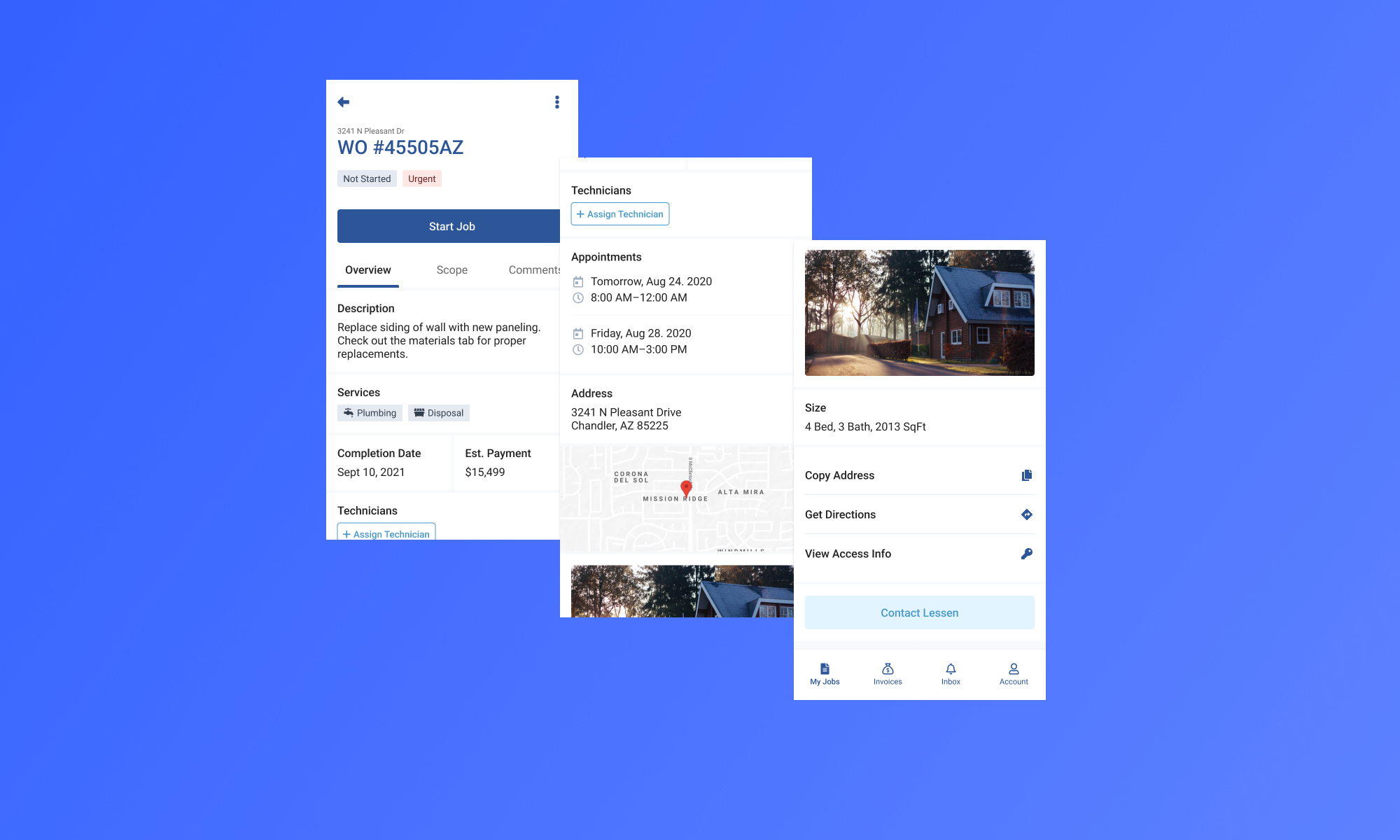
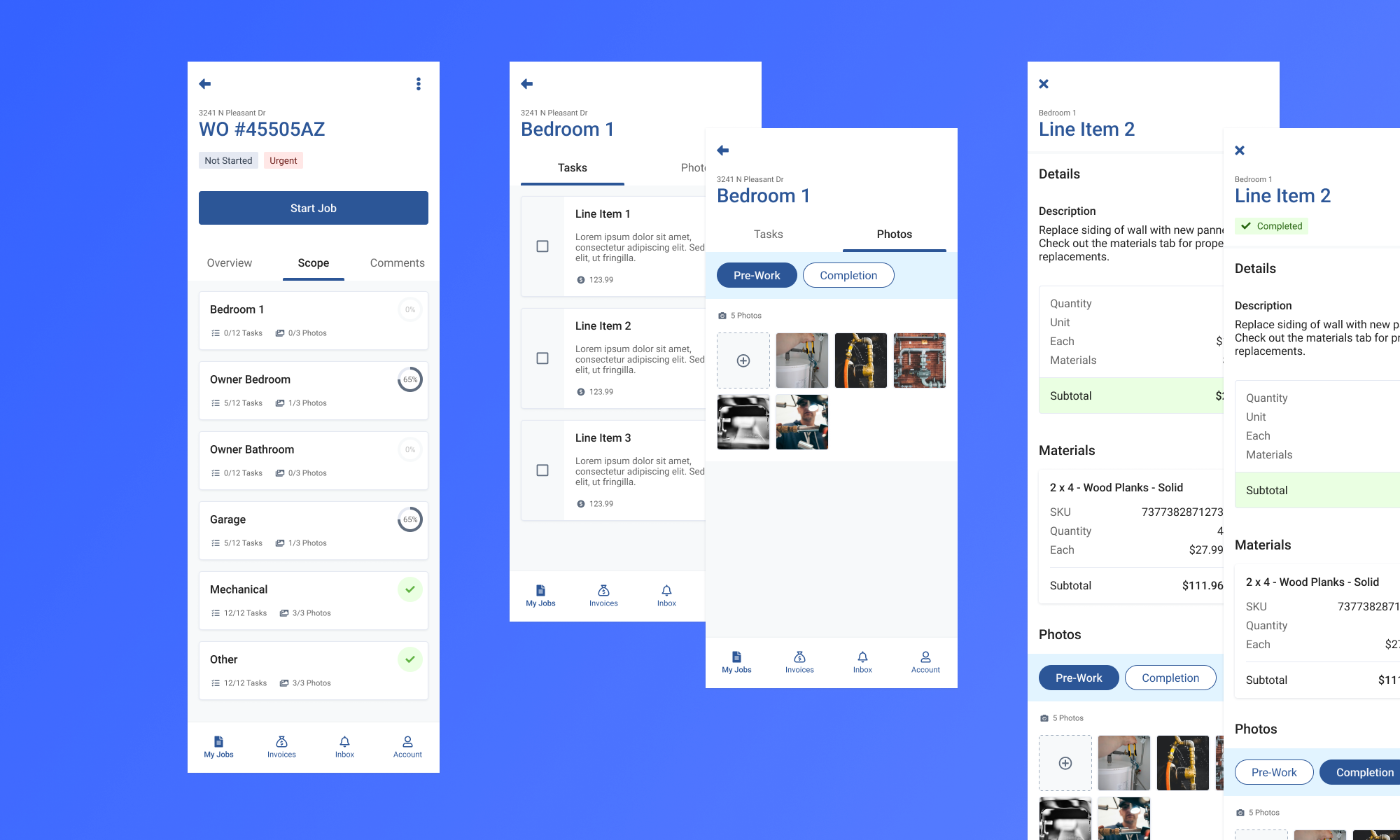
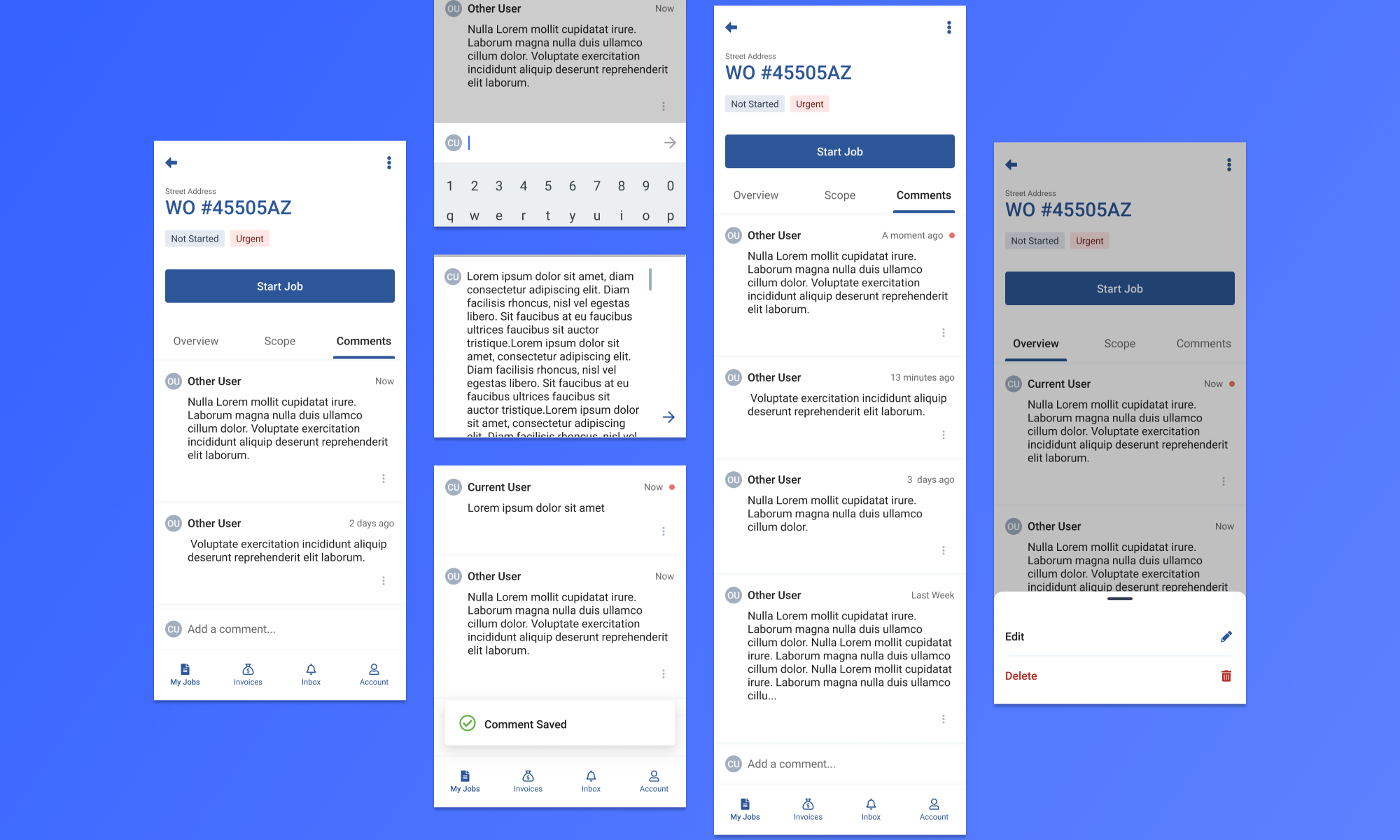
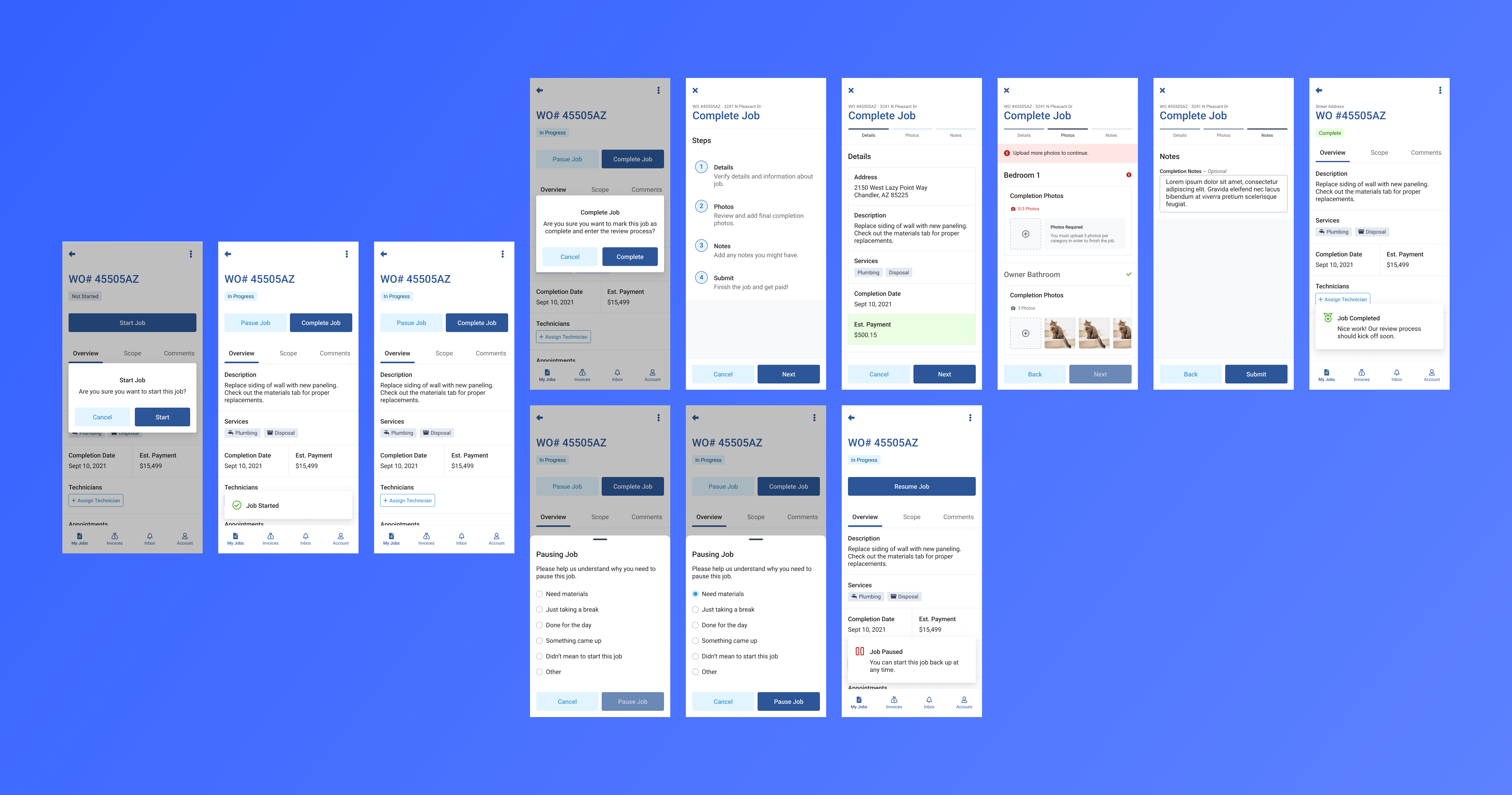
Overall, I am extremely proud and happy with what we put out. Very excited that the app I helped to deliver on facilitates thousands of people getting work, getting paid, and supporting themselves and their families. Below are some selected screens and flows from the app, just a small glimpse into the many great features we created for our users.

Results
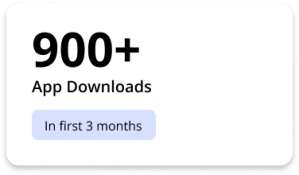
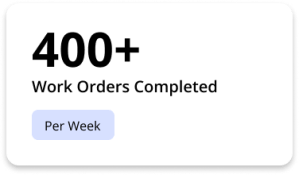
We successfully launched the Lessen Pro app in both the Apple App Store and Google Play Store in early May, 2022. The Lessen Pro app gives Lessen better visibility and more data around every work order as Pros make updates from the app. Communications are streamlined with accept/decline functionality, status updates, work order comments, and surfacing the right contact info for a Pro to reach out to Lessen about a work order. Most importantly, it helps Pros get paid faster.
Post-Release Metrics
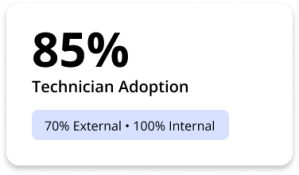
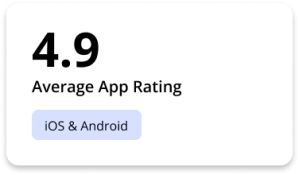

Features At Release
- View and leave comments on work orders assigned to their company
- Invoice Lessen for completed work orders
- Accept or Decline work orders when offered through the accept/decline flow
- Check in and out of a Work Order
- Upload before/after photos of tasks completed
- Contact Lessen within the app
- View and leave comments on work orders assigned to them
- Check in and out of a Work Order
- Take or upload pictures of tasks completed
- Contact Lessen within the app
Learnings
- Starting conversations early and having them often with engineering leads is integral to a solid and expectant release.
- Your Product Manager is your best friend.
- A solid product strategy goes a long way to help set direction and vision.
- Quick feedback that’s informal is better than no feedback.
- Setting consistent rules and guidelines around patterns helps to guardrail your designs from yourself and others.
 Dayne Petera